

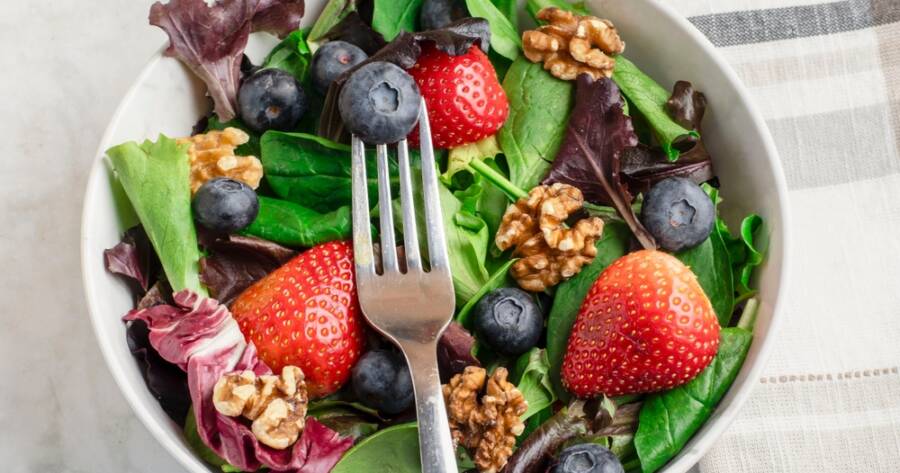
What a person eats every day has a surprising influence on how well the brain performs, both currently and decades down the road. Three common snacks stand out for their ability to support memory, sharpen focus, and protect cognitive health over time.
Why Food Choices Matter for Brain Health
The brain is a metabolically demanding organ, and it responds differently depending on the quality of fuel it receives. Certain nutrients work at the cellular level to reduce inflammation, fight oxidative stress, and support the structural integrity of neurons. Researchers and nutritional scientists have spent years identifying which foods deliver the most meaningful benefits, and the findings consistently point to a handful of everyday items that most people already enjoy.
One of the most comprehensive dietary frameworks developed around brain health is the MIND diet, a pattern of eating designed specifically to protect the aging brain. Studies examining this approach have found it is linked to dramatically lower rates of Alzheimer’s disease and a meaningful slowing of cognitive decline as people age (source). What makes this research particularly striking is that even moderate adherence to these dietary principles appears to offer real protection, not just full compliance.
Snack #1: Berries
Berries rank among the most thoroughly studied brain foods available. Blueberries and strawberries, in particular, have been linked to meaningful cognitive benefits in women who consumed two or more servings per week, with one Harvard-affiliated study finding that regular berry consumption was associated with delaying memory decline by as much as two and a half years (source). That is a significant effect from a food that requires no preparation and is widely available year-round.
The reason berries are so effective comes down to their chemical composition. They carry high concentrations of flavonoids and antioxidants, compounds that actively work to protect brain cells from the kind of oxidative damage that accumulates over a lifetime. The MIND diet specifically calls for two or more weekly servings of berries as part of its brain-healthy eating framework, placing them in a select category of foods considered especially valuable for long-term cognitive protection (source). A handful of blueberries or sliced strawberries as an afternoon snack fits seamlessly into nearly any daily routine.
Snack #2: Walnuts
Among nuts, walnuts occupy a special position when it comes to brain health. They are a rich source of alpha-linolenic acid, a plant-based form of omega-3 fatty acid that supports healthy brain function. Researchers at UCLA found that people who consumed more walnuts performed better on cognitive test scores compared to those who ate fewer, suggesting that this snack may offer advantages that go beyond basic nutrition (source).
The MIND diet recommends five or more servings of nuts per week as a core element of brain-protective eating (source). Walnuts are an ideal choice within that category because of their unique fatty acid profile and their portability as a snack. A small handful before a meeting, during a study session, or between meals delivers a concentrated dose of nutrients that the brain uses to maintain structure and function. Unlike many processed snack options, walnuts require no additives, no preparation, and no refrigeration — they are simply ready to eat.
Snack #3: Leafy Green Chips or Snacks
Leafy greens may not come to mind immediately as a snack food, but roasted kale chips, spinach-based crackers, and similar products have made this category far more accessible. Vegetables like kale, spinach, collard greens, and broccoli are loaded with vitamin K, lutein, folate, and beta carotene, a combination of nutrients that research suggests may meaningfully slow the rate of cognitive decline as the brain ages (source).
The nutrients found in these greens work through multiple pathways to support brain health. Vitamin K plays a documented role in supporting brain cell signaling, while folate is essential for DNA repair and the synthesis of neurotransmitters. Lutein and beta carotene, both carotenoids, contribute to the broader antioxidant defense system that keeps brain tissue protected from everyday wear. The MIND diet specifically recognizes that foods rich in these vitamins, carotenoids, and flavonoids protect the brain “by reducing oxidative stress and inflammation” (source). Incorporating leafy green snack options into a weekly routine is an accessible way to harness these benefits without overhauling an entire diet.
How These Snacks Work Together
One of the most encouraging findings from research on diet and brain health is that the effects of brain-supportive foods appear to build on each other. Studies tracking large groups of adults over time have found that people who scored higher on dietary patterns emphasizing foods like berries, nuts, and leafy greens showed better overall cognitive functioning, larger total brain volume, and stronger memory performance compared to those who consumed fewer of these foods (source). This suggests that small, consistent choices compound over months and years into meaningful outcomes.
No single snack acts as a cure or a guarantee, but the cumulative picture is clear: regularly choosing foods that contain the nutrients the brain depends on creates a measurable advantage. Berries deliver antioxidants and flavonoids. Walnuts supply plant-based omega-3 fatty acids. Leafy greens contribute vitamins and carotenoids. Together, these three snack categories address multiple mechanisms of brain aging simultaneously, and none of them requires an elaborate meal plan or a specialty grocery store.
Learn More About Everyday Snacks and Brain Health
The connection between daily snack choices and long-term cognitive health is one of the most actionable areas of nutrition research available today. What people eat between meals is often overlooked, yet the evidence suggests those moments are genuine opportunities to support memory, focus, and brain longevity.
Berries, walnuts, and leafy green snacks each bring distinct nutritional profiles that researchers have repeatedly associated with sharper cognitive performance and slower mental decline. Replacing less nutritious snack habits with these three options requires minimal effort but offers benefits that may span decades. Understanding the science behind food and brain function empowers anyone to make smarter choices starting with the very next snack they reach for.