

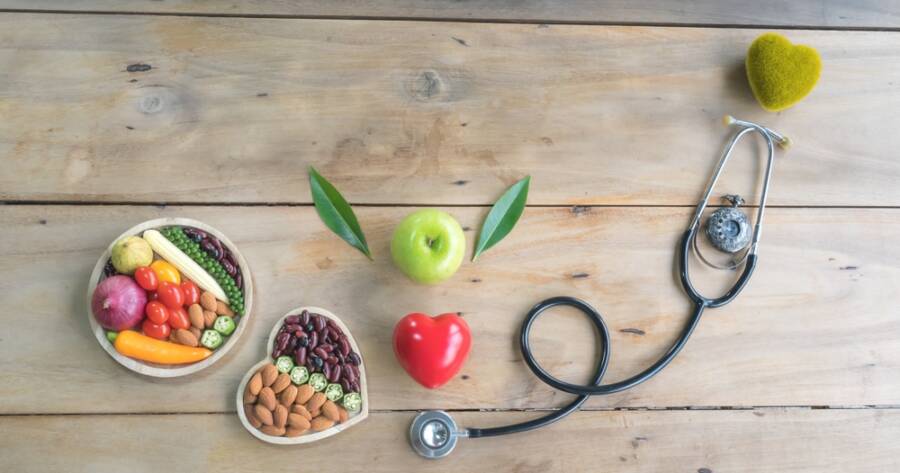
Eating for heart health doesn’t have to depend on expensive specialty foods or complicated recipes. Many affordable, shelf-stable staples can fit into an eating pattern that supports healthier cholesterol, blood pressure, and overall cardiovascular wellness. Choosing simple snacks with more fiber, unsaturated fats, and plant-based nutrients can make everyday eating both practical and budget-friendly.
Why Arterial Health Starts in the Kitchen
Arteries carry oxygen-rich blood throughout the body, and what a person eats directly influences how well those vessels function over time. Damage to arterial walls is a key factor in the development of cardiovascular disease, yet research consistently points to diet as one of the most powerful tools for preventing that damage. The good news is that many of the foods linked to better arterial health are also among the most affordable items found in any pantry.
Fruits and vegetables contain antioxidants that actively work to prevent injury to arterial walls, and diets built around them are repeatedly tied to reduced cardiovascular risk (source). When people prioritize these foods as everyday snacks rather than occasional additions, the cumulative benefit to arterial health becomes far more significant.
Nuts and Seeds: Small Snacks With Big Benefits
Among the most convenient and budget-friendly pantry staples, nuts and seeds consistently rank as top performers for cardiovascular support. Walnuts, almonds, and pine nuts, along with seeds like sesame, sunflower, pumpkin, and flax, are rich in the kinds of healthy fats that promote arterial wellness (source). These fats, specifically monounsaturated and polyunsaturated varieties, play an active role in reducing the type of cholesterol that can accumulate along arterial walls.
Nuts also deliver fiber and protein in a single handful, making them a satisfying snack that does more than just curb hunger. Studies have found that higher nut consumption is associated with a measurably lower risk of cardiovascular disease, coronary heart disease, and stroke (source). Keeping a variety of nuts and seeds stocked in the pantry means heart-supporting snacks are always within easy reach.
Legumes: The Underrated Pantry Powerhouse
Dried or canned legumes such as kidney beans, lentils, chickpeas, black-eyed peas, and lima beans offer an impressive combination of protein, fiber, and micronutrients at a fraction of the cost of many other protein sources (source). Their high fiber content is particularly relevant for arterial health, as dietary fiber supports healthy cholesterol levels and helps maintain steady blood pressure.
Roasted chickpeas, for instance, have grown in popularity as a crunchy, satisfying snack that doubles as a heart-healthy choice. A simple seasoning with herbs rather than salt keeps sodium levels low, which matters because adults should aim to consume fewer than 2,300 milligrams of sodium daily to support healthy blood pressure and cardiovascular function (source). Lentils can also be prepared quickly and used as a filling snack base with minimal cost involved.
Whole-Grain Snacks Add Fiber to the Mix
Whole grains are another budget-friendly way to build heart-supportive snacks from pantry staples. Foods such as plain oatmeal, air-popped popcorn, and lower-sodium whole-grain crackers provide fiber and can fit naturally into eating patterns designed to support healthier cholesterol and blood pressure. The NHLBI includes whole grains as a core part of heart-healthy eating plans such as DASH (source).
Keeping preparation simple can make these options even more useful. Plain popcorn can be seasoned with herbs or spices instead of excess salt, while oatmeal can be paired with nuts, seeds, or a small amount of nut butter for a more filling snack. When choosing packaged whole-grain foods, checking the nutrition label for sodium, added sugar, and saturated fat can help keep the overall snack aligned with heart-healthy goals.
Honorable Mention: Leafy Greens and Vegetable-Based Snacks
Though leafy greens aren’t found in the pantry, they do deserve a dedicated spot in any arterial health-focused eating plan. These vegetables are naturally rich in nitrates, which the body converts into compounds that help relax and widen blood vessels. Research has shown that people who regularly eat the most nitrate-rich vegetables lowered their cardiovascular disease risk by anywhere from 12 to 26 percent (source).
Snacking on raw leafy greens, sliced vegetables, or kale chips prepared at home provides an inexpensive way to work these benefits into a daily routine. Pairing them with a small amount of extra virgin olive oil, which is rich in antioxidants and monounsaturated fatty acids that help prevent arterial damage (source), adds another layer of cardiovascular protection without adding much to the grocery bill.
Putting It All Together With a Balanced Eating Pattern
Individual snacks matter, but how they fit into an overall eating pattern determines their true impact. The DASH eating plan, which emphasizes vegetables, fruits, whole grains, and low-sodium choices, has been clinically shown to lower elevated blood pressure and reduce harmful LDL cholesterol levels in the bloodstream (source). Incorporating affordable pantry staples like nuts, seeds, legumes, and leafy green-based snacks aligns naturally with this kind of approach.
Limiting added sugars and saturated fats in snack choices further amplifies the arterial benefit. Swapping processed snack foods for whole-food alternatives from the pantry requires minimal effort but can produce meaningful changes in cardiovascular health over time. Avocados, for example, offer another source of heart-supporting monounsaturated fats and can serve as a versatile snack base that fits neatly into an arterial-health-focused diet (source).
Why You Should Learn More About Arterial Health Today
Arterial health is not a niche concern reserved for those already managing heart conditions. It is a lifelong priority that begins with the everyday choices found in a grocery cart. Nuts, seeds, legumes, leafy greens, and wholesome oils each bring scientifically supported benefits to arterial function, and all of them are accessible at prices that work for nearly any budget.
Understanding how these pantry staples interact with cardiovascular health empowers people to make informed decisions every day. The relationship between diet and arterial wellness is well-documented, and the more a person learns about it, the better equipped they become to build snacking habits that genuinely protect the heart and the vessels that keep it running.