

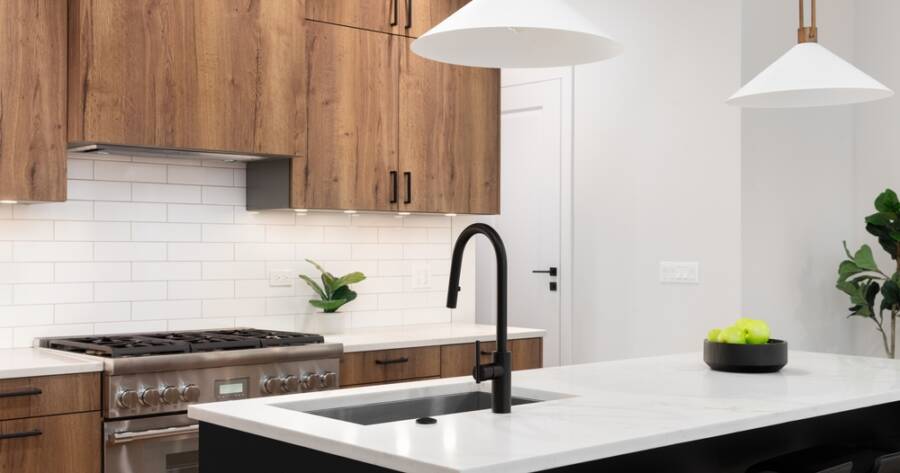
Kitchen design in 2026 is evolving as homeowners seek spaces that combine style, functionality, and long-term comfort. Warm natural materials, innovative storage solutions, multifunctional islands, and smart technology are shaping the latest trends. Several modern design approaches reflect changing lifestyles, helping homeowners create kitchens that are attractive, practical, and adaptable to their everyday needs.
Why Kitchen Design Is Changing in 2026
The American kitchen has never been a static space, but the pace of change heading into 2026 is particularly striking. Homeowners are no longer satisfied with kitchens that simply function. Instead, they want spaces that adapt to their routines, reflect their personal style, and hold up beautifully for years to come. Industry surveys spanning thousands of homeowners and design professionals paint a clear picture: the kitchen is becoming the most personalized room in the house.
The National Kitchen and Bath Association (NKBA), drawing on input from nearly 55,000 North American industry professionals, found that transitional and timeless design leads the conversation, with contemporary and organic styles following close behind (source). Meanwhile, research from the National Association of Realtors highlights that homeowners are investing in features they plan to use for decades, not just seasons. Together, these insights point to seven modern kitchen design directions worth understanding.
1. Warm Wood Cabinetry Takes Center Stage
After years of white-painted cabinets dominating American kitchens, wood finishes have made a definitive return. Medium-toned woods are leading this shift, with lighter finishes also gaining traction (source). Wood grain now surpasses painted cabinets in popularity, and white oak has emerged as the most sought-after wood type according to design professionals (source). The result is a kitchen that feels grounded, natural, and lived-in rather than sterile or overly polished.
2. Transitional and Timeless Aesthetics Lead Style Choices
When design professionals were surveyed about the styles expected to dominate the next several years, transitional and timeless design came out clearly on top, cited by nearly three-quarters of respondents (source). This approach blends traditional warmth with cleaner contemporary lines, creating kitchens that avoid looking dated. Contemporary and minimalist aesthetics came in second, followed by organic and nature-inspired design. This spectrum suggests homeowners want kitchens that feel current without chasing fleeting trends.
3. Multifunctional Islands as the Heart of the Kitchen
The kitchen island has grown far beyond a simple prep surface. In modern designs, islands often stretch beyond seven feet in length, and more than half of homeowners are now incorporating appliances directly into them, including dishwashers and microwaves (source). This consolidation of function makes the island a kitchen command center rather than a secondary workspace. Seating, storage, and appliance integration are all part of the same design strategy.
4. Dedicated Storage Built Into Every Corner
Storage is no longer an afterthought. Specialty storage features are being added by a large majority of renovating homeowners, with pantry cabinets leading the pack, followed by walk-in pantries and butler’s pantries or prep kitchens (source).
The underlying goal is reducing visual clutter while ensuring that every kitchen tool, ingredient, and appliance has a designated home. This design philosophy connects directly to the minimalist and transitional styles that are gaining favor across the country.
5. Lifestyle-Driven Features Personalize the Space
One of the most notable findings from the NKBA’s 2026 report is the universal agreement among survey respondents that lifestyle enhancements will be a major feature of future kitchen layouts. Dedicated beverage areas, pet feeding stations, and eat-in kitchen configurations all ranked among the most desired additions (source). These features reflect a shift in how homeowners think about the kitchen: not as a purely functional room, but as an extension of daily life and personal habits.
6. Age-in-Place Design for Long-Term Living
Forward-thinking homeowners are increasingly designing kitchens with their future needs in mind. Features like pull-out cabinets, wider drawer pulls, rounded countertops, enhanced lighting, and nonslip flooring are all being incorporated with long-term accessibility in mind (source). More than half of homeowners undertaking renovations report planning for these kinds of adaptations, which speaks to a broader cultural shift toward designing spaces that grow alongside the people who use them.
7. Expanding Kitchen Footprints Despite Smaller Homes
Perhaps one of the more striking contrasts in current residential design is that the kitchen is actually growing larger even as overall home sizes in the United States trend downward. A substantial majority of design professionals expect kitchen footprints to increase over the next several years, a pattern that is reshaping whole-home layouts and prioritization (source). This expansion signals that homeowners are willing to dedicate more square footage to the kitchen because it has become the room where the most living actually happens.
Organic and Natural Materials Tie It All Together
Across nearly every trend in modern kitchen design, a unifying thread is the movement toward organic and natural materials. Wood cabinetry, stone countertops, earthy palettes, and nature-inspired textures all support a design direction that feels warm rather than cold and human rather than industrial.
This approach aligns closely with the organic design style that design professionals identified as one of the top three dominant aesthetics for the years ahead (source). Whether a homeowner favors a minimalist contemporary look or a warmer transitional aesthetic, natural materials have become the common denominator.
Why You Should Learn More About Modern Kitchen Design Trends
The kitchen trends shaping 2026 reflect something deeper than surface-level style shifts. Homeowners across the United States are rethinking what kitchens should do, who they should serve, and how long they should last. From the resurgence of warm wood finishes and the rise of personalized lifestyle features to larger footprints and age-in-place accessibility planning, modern kitchen design is becoming more intentional and more human.
Understanding these directions helps homeowners, buyers, and design professionals make smarter choices about one of the most important rooms in any home. The kitchen is no longer just where meals are prepared. It is where design philosophy, daily habits, and long-term planning all meet.