

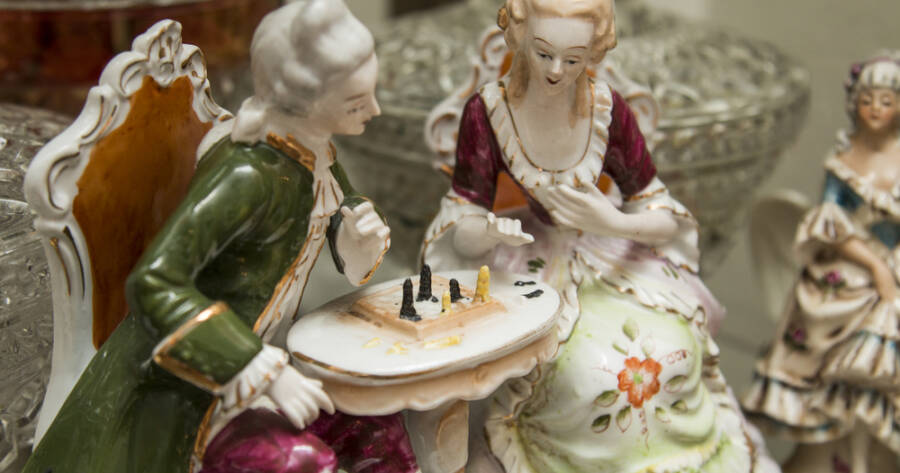
Porcelain figurines can be beautiful decorative objects, but certain examples are also valuable collectibles. Rare Meissen sculptures, historic European figures, and carefully preserved limited editions have attracted considerable attention at auction. Understanding which figurines collectors seek, what documented sales reveal, and how to recognize valuable pieces can help buyers make informed decisions.
Meissen Animal Figurines: Exceptional Auction Values
Among the most valuable European porcelain collectibles are early Meissen animal sculptures, particularly those associated with Johann Gottlieb Kirchner and Johann Joachim Kändler. These 18th-century creations are admired for their detailed modeling, impressive proportions, and historical importance. Some were originally produced for royal collections, making surviving examples especially desirable when their origins can be documented.
One extraordinary example is a white Meissen Great Bustard attributed to Kirchner and dated 1732. The sculpture sold for £842,500, approximately $1.09 million at the time, during a Christie’s auction in London on July 7, 2016 (source). Its rarity, scale, and connection to early Meissen craftsmanship contributed to its exceptional result. However, this record should not be mistaken for the typical value of Meissen figurines, many of which sell for substantially less.
Rare Meissen Figures and Character Groups
Beyond animal sculptures, Meissen produced elaborate human figures depicting occupations, musicians, theatrical characters, and scenes inspired by European society. Collectors often look for early examples associated with recognized modelers, particularly when the original painted decoration and intricate details remain intact. Historical production marks and carefully documented ownership can also strengthen a piece’s appeal.
A pair of Meissen figures depicting Chinese boys, dated around 1755 and probably modeled by Kändler, appeared at a Sotheby’s auction in November 2024. The auction house assigned an estimate of €8,000 to €12,000 to the pair (source). This represents an estimated range rather than a verified final sale price. It nevertheless illustrates the collector interest surrounding historic Meissen figures with recognizable designs and documented manufacturing periods.
Royal Nymphenburg: Historic Figures With Distinctive Craftsmanship
Royal Nymphenburg porcelain from Bavaria is another important category for collectors interested in European decorative arts. Figurines associated with sculptor Franz Anton Bustelli are particularly recognizable for their expressive poses and carefully modeled clothing. These pieces often portray theatrical characters, fashionable figures, and subjects reflecting 18th-century courtly life.
An example of the market’s variability appeared at Christie’s in December 2021, when a Nymphenburg porcelain figure of a Turkish lady, dated around 1780 and based on a Bustelli model, realized £3,500 (source). Although this result is far below the exceptional Meissen sculpture discussed earlier, it demonstrates that identifiable historic figurines can command meaningful prices. Production date, condition, originality, and provenance remain essential when comparing individual examples.
Dresden Lace and Delicate Porcelain Figures
Dresden lace figurines attract collectors through their remarkable decorative technique. Craftspeople applied porcelain slip to actual fabric, carefully arranged the material around a figure, and fired it in a kiln. The textile burned away during firing, leaving a fragile ceramic representation of lace. These decorations frequently appeared on elaborate dresses worn by porcelain dancers, musicians, and aristocratic characters.
Because the finished porcelain lace is delicate, surviving examples may show broken edges or missing sections. Collectors should examine these areas closely, especially when considering supposedly pristine pieces. Manufacturer identification is equally important because the Dresden name describes a broader decorative tradition rather than one specific factory. As a result, age, workmanship, condition, and attribution matter more than the general style alone.
Hummel Figurines: Recognizable Designs With Collector Interest
Hummel figurines are familiar to many American collectors. Produced by Goebel from designs inspired by Sister Maria Innocentia Hummel, these German porcelain collectibles frequently depict children engaged in everyday activities. Their widespread popularity means many examples are available on the secondary market, although particular designs, production variations, and uncommon editions can be more desirable.
One notable design is Adventure Bound, featuring a group of seven children. Collectors may place greater value on examples with desirable production characteristics, intact accessories, and identifiable factory markings. However, a seller’s asking price does not establish what a buyer will actually pay. Anyone considering a valuable Hummel should compare recent completed transactions for the same model and production variation before accepting an advertised valuation.
Lladró: Spanish Figurines With Varied Market Values
Spanish manufacturer Lladró is known for graceful porcelain figures, delicate coloring, and elaborate compositions. Its catalog includes dancers, animals, romantic scenes, and limited-edition sculptures. While larger or more intricate pieces can be attractive to collectors, the manufacturer’s reputation does not mean every figurine commands a premium.
For example, a Lladró Birds and Flowers porcelain figurine achieved HK$10,080 at a Christie’s auction in March 2022, below its presale estimate of HK$12,000 to HK$18,000 (source). This illustrates why actual auction results are more useful than estimates when researching resale values. Collectors should identify the exact model, confirm whether it remains in production, and examine its condition before drawing conclusions about worth.
How to Determine What a Porcelain Figurine Is Worth
Manufacturer marks, production dates, condition, rarity, and provenance are central to evaluating porcelain. Marks may appear beneath the base, under the glaze, or impressed into the material. However, marks alone cannot guarantee authenticity because reproductions and later editions may carry similar identifying symbols. Comparing details with reliable reference catalogs can help establish a more accurate attribution.
Completed auction records provide stronger evidence of market value than unsold dealer listings. Condition reports are also valuable because restoration, chips, and missing components can affect prices. A useful comparison comes from Bonhams, where four late-19th-century Meissen musician figures sold together for £510, including the buyer’s premium, in September 2020 (source). The contrast with the million-dollar Great Bustard demonstrates how dramatically values differ, even within the same manufacturer’s work.
Collecting Porcelain With Confidence
The most desirable porcelain figurines combine recognizable craftsmanship with qualities that distinguish them from ordinary decorative pieces. Early Meissen animals, historic Nymphenburg figures, delicate Dresden creations, and selected Hummel or Lladró models all offer different collecting opportunities.
Before buying or selling, collectors should investigate factory markings, examine condition, and compare documented transactions involving genuinely similar pieces. Exceptional auction records demonstrate the potential value of rare porcelain, but they do not establish what every example is worth. Careful research and professional appraisal can help collectors recognize important pieces and develop realistic expectations about their market value.