

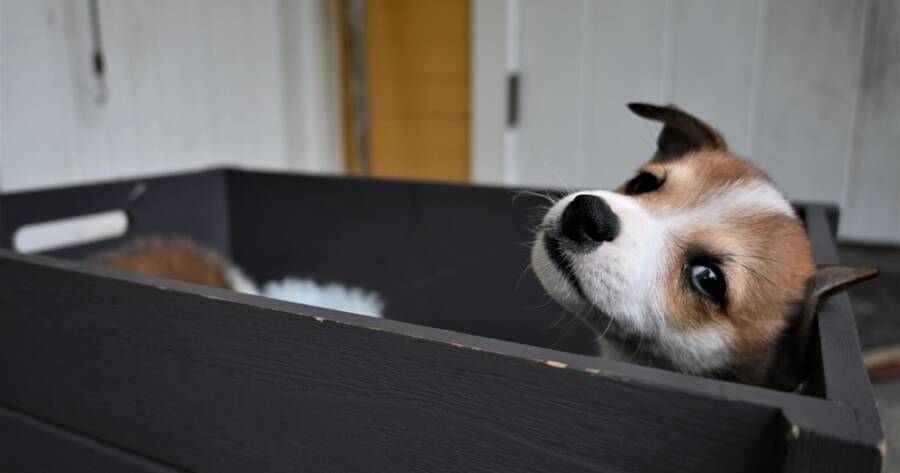
At four weeks old, a Norwegian Lundehund puppy is entering an exciting stage of development. Its eyes are open, its movements are becoming more coordinated, and its distinctive extra toes are already visible. Although Norwegian Lundehund puppies share many milestones with other breeds, their unusual anatomy makes them especially fascinating. Understanding their early needs helps ensure healthy growth and development.
What a Four-Week-Old Norwegian Lundehund Looks Like
A four-week-old Norwegian Lundehund is still small, with a soft puppy coat, developing facial features, and a body that has not yet acquired its adult proportions. Its ears may not have reached their eventual upright position, and its movements can appear clumsy as coordination improves.
One feature that already distinguishes these puppies is their unusual feet. Norwegian Lundehunds have at least six functional toes on each paw, accompanied by specialized pads. These characteristics helped their ancestors navigate Norway’s rocky coastal cliffs while hunting puffins. The breed also possesses exceptionally flexible shoulders, a pliable neck, and ears capable of folding closed (source).
Although some anatomical differences are visible early, the puppy’s flexibility should never be tested by manipulating its joints or bending its neck. These characteristics are natural features of the breed, not movements owners should attempt to reproduce.
Walking, Exploring, and Developing Coordination
The fourth week brings important changes in mobility. Puppies that previously depended almost entirely on their mothers begin walking more confidently, exploring their immediate surroundings, and responding to movement and sound. Their balance remains immature, so brief tumbles and unsteady steps are normal.
Around this age, puppies may also begin barking, wagging their tails, and eliminating without their mother’s stimulation. Their first teeth start emerging, preparing them for the transition toward solid food (source).
A Lundehund puppy benefits from a secure environment that provides opportunities for gentle exploration. Soft bedding, nonslip surfaces, and sufficient space to move around help it practice developing motor skills without unnecessary hazards.
Feeding and Weaning at Four Weeks
At four weeks old, a Lundehund puppy normally continues nursing while beginning the gradual transition to solid food. This process, known as weaning, generally begins around three to four weeks of age, although individual puppies may progress at different rates.
Breeders can introduce a soft mixture made from nutritionally complete puppy food and warm water. The consistency should be easy for a young puppy to lap and swallow. As the puppy becomes accustomed to eating independently, the mixture can gradually become thicker.
Weaning should occur progressively rather than through sudden separation from the mother. Puppies continue benefiting from nursing, maternal care, and contact with littermates throughout this transition (source).
Because Norwegian Lundehunds are susceptible to breed-associated digestive problems, breeders should work with their veterinarian when selecting an appropriate diet. Feeding requirements for growing puppies should not simply be copied from dietary recommendations intended for adult dogs.
Early Socialization and Interaction With Littermates
At four weeks, puppies begin becoming noticeably more interactive. A Norwegian Lundehund may investigate its siblings, engage in gentle play, and respond to familiar human voices. These early experiences help establish important social skills.
Interaction with the mother and littermates teaches puppies how to communicate and respond to other dogs. Early play includes sniffing, climbing over one another, and beginning to experiment with mouthing behaviors. These interactions gradually become more complex as puppies mature.
Breeders can support healthy social development through gentle handling, exposure to ordinary household sounds, and opportunities to explore different safe surfaces. Introductions should remain gradual and positive, with plenty of opportunities for rest (source).
This stage is not the time for demanding training sessions. Instead, the emphasis should be on safety, familiarity, and allowing the puppy to gain confidence at its own pace.
Daily Care and Health Monitoring
Four-week-old Lundehund puppies still need close supervision. Their environment should remain clean, comfortable, and protected from drafts. Bedding requires regular attention, particularly as the puppies become capable of eliminating independently.
Breeders should monitor weight gain, appetite, activity levels, and stool consistency. A healthy puppy generally becomes increasingly interested in its surroundings while continuing to sleep frequently throughout the day.
Persistent diarrhea, vomiting, unusual weakness, refusal to nurse or eat, or failure to gain weight warrants prompt veterinary attention. Preventive care, including parasite management and eventual vaccinations, should follow a veterinarian’s age-appropriate recommendations.
Although a four-week-old puppy is becoming more independent, it is far too young to leave its mother and littermates under normal circumstances. Puppies generally remain with their families until at least eight weeks, allowing additional time for weaning and social development (source).
What Happens During the Following Weeks?
Between four and eight weeks, Norwegian Lundehund puppies typically become more active, coordinated, and socially engaged. Their teeth continue developing, solid food becomes increasingly important, and interactions with littermates help shape their behavior.
Owners may begin noticing individual personality differences, including curiosity, confidence, and varying levels of enthusiasm for exploration. However, these early behaviors should not be treated as definitive predictions of adult temperament.
As the puppies approach eight weeks, they generally become better prepared for the transition to their future homes, provided they are healthy, properly weaned, and developmentally ready.
Understanding This Remarkable Early Stage
At four weeks old, a Norwegian Lundehund puppy is beginning to reveal both its distinctive breed characteristics and its emerging personality. Its extra toes are already present, while walking, feeding, communication, and social interaction develop rapidly.
The most important priorities during this period are appropriate nutrition, gentle socialization, veterinary oversight, and continued contact with the mother and littermates. With attentive early care, these rare puppies can develop the confidence and foundational skills needed for the next stages of life.