

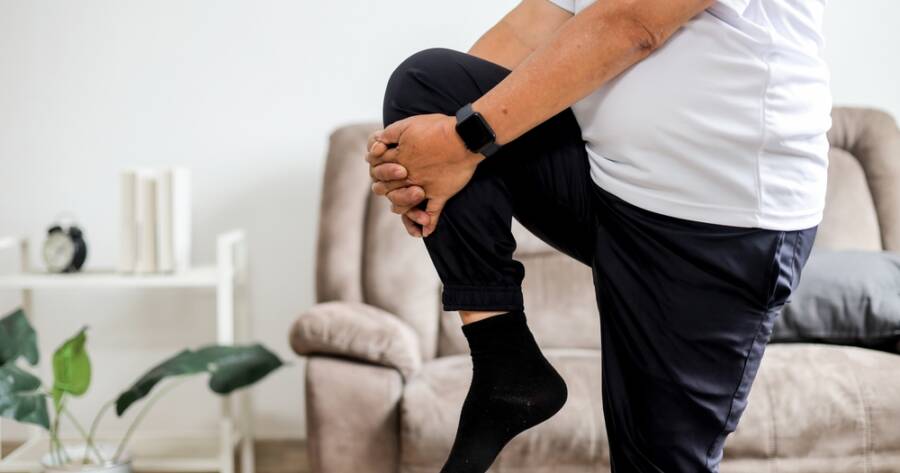
Maintaining good balance becomes increasingly important with age, especially for older adults who want to remain active and independent. Fortunately, several practical gadgets can support balance exercises, improve movement awareness, and provide assistance after falls. From specially designed training pads to wearable safety devices, understanding how key products work can help seniors choose equipment suited to their abilities and everyday needs.
Why Balance Training Matters for Older Adults
Balance problems can develop gradually as muscle strength, joint mobility, vision, and coordination change with age. These difficulties can make everyday activities, such as climbing stairs or walking on uneven ground, more challenging. Falls are particularly concerning: in 2024, they contributed to more than 43,000 deaths among Americans aged 65 and older (source).
Regular strength and balance exercises can help older adults maintain mobility and reduce their likelihood of falling. Activities such as standing on one leg, practicing controlled weight shifts, and performing supervised balance exercises can improve physical function (source). Specialized equipment can add variety and gradually increase the difficulty of these movements, although not every gadget is appropriate for someone with significant instability.
THERABAND Stability Trainers for Progressive Exercises
THERABAND Stability Trainers are compact balance pads designed to challenge coordination and postural control. They come in three difficulty levels: green for beginners, blue for intermediate users, and black for more advanced exercises. The green and blue versions use foam, while the black version provides additional instability through an air-filled design (source).
The firm green pad may be a reasonable starting point for older adults who can already stand securely and have been cleared for balance training. Exercises can involve controlled weight shifts or maintaining an upright position while holding a stable support. Progressing to softer surfaces increases the challenge, so individuals with limited balance should seek professional guidance before attempting more difficult movements.
AIREX Balance-Pad Elite for Stability Practice
The AIREX Balance-Pad Elite is another recognizable option used in physical therapy and balance training. Its soft foam construction creates an unstable surface that requires the body to make small adjustments while standing. The pad measures approximately 6 centimeters thick and has a textured surface designed to reduce slipping (source).
This product may appeal to older adults who already participate in structured balance exercises and want equipment suitable for practicing movements recommended by a physical therapist. However, the instability that makes the pad useful for training also creates a potential fall hazard. Beginners should practice near secure support and avoid using the pad without assistance when balance is severely impaired.
FitMi Offers Interactive Rehabilitation Exercises
For older adults recovering from certain neurological injuries, interactive rehabilitation technology offers another approach. FitMi is a home therapy system that uses two wireless motion-sensing devices and accompanying software to guide exercises involving the arms, legs, and trunk. The system provides feedback and tracks exercise performance as users complete rehabilitation activities (source).
Unlike ordinary foam balance pads, FitMi is designed for people recovering from conditions such as stroke or brain injury. Its guided activities may help users practice movement and coordination as part of a rehabilitation program. However, it should not be considered a general-purpose fall-prevention device, and evidence supporting improvements in specific rehabilitation outcomes does not automatically establish that it prevents falls in older adults.
Apple Watch Provides Fall Detection Rather Than Balance Training
Wearable technology can offer useful safety features even when it does not directly improve stability. Compatible Apple Watch models include Fall Detection, which can recognize certain hard falls and display an alert. If the wearer remains immobile and does not respond, the watch may automatically contact emergency services and notify designated emergency contacts when the necessary connections are available (source).
This makes the Apple Watch a different type of safety gadget from balance-training equipment. It may provide reassurance to older adults who spend time alone, but it cannot prevent falls or reliably identify every incident. Users should understand its connectivity requirements, emergency settings, and limitations before relying on the feature.
Choosing the Right Balance Gadget
The most suitable device depends on the user’s physical abilities, medical history, and intended activities. Foam balance pads are primarily exercise tools, while interactive rehabilitation systems support structured movement training. Fall-detection wearables provide an additional emergency-response feature rather than directly addressing balance problems.
Before purchasing equipment, older adults should consider ease of use, storage requirements, stability, maintenance, and the availability of professional instruction. Anyone with frequent falls, significant dizziness, or difficulty standing independently should consult a healthcare professional before attempting exercises on unstable surfaces.
Building Confidence Through Safer Movement
Balance gadgets can be useful additions to a broader fall-prevention routine, but their benefits depend on choosing appropriate equipment and using it correctly. Products such as THERABAND Stability Trainers and AIREX balance pads provide opportunities for progressive exercises, while FitMi supports specialized rehabilitation and Apple Watch offers fall-detection capabilities.
No gadget can guarantee stability or eliminate fall risks. Combining suitable equipment with strength training, appropriate footwear, safer home environments, and professional guidance offers a more practical approach to maintaining mobility. For older adults seeking greater independence, the goal is not simply adopting new technology but finding tools that support safer, more confident everyday movement.