

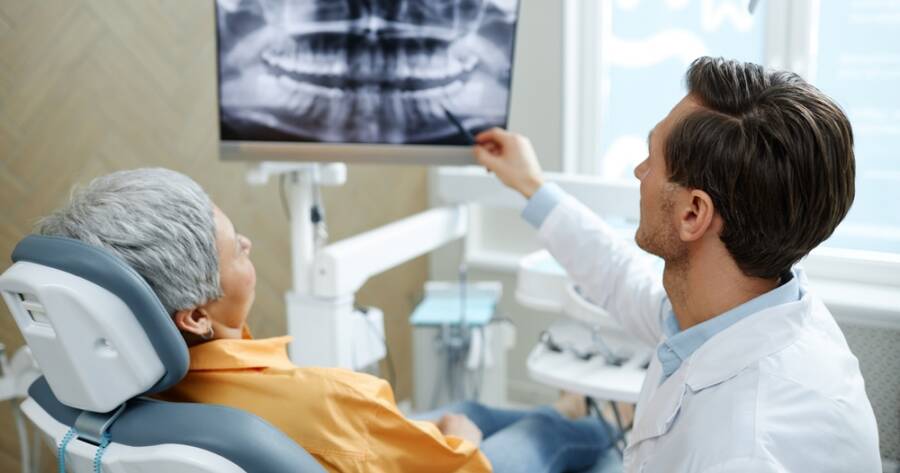
Maintaining good oral health after 80 can become more challenging as age-related changes, medications, and existing health conditions affect the teeth and gums. However, the right dental care habits can help prevent discomfort and complications. Understanding how to manage dry mouth, care for dentures, recognize warning signs, and maintain daily hygiene is essential for healthy aging.
Why Oral Health Becomes More Complex With Age
The mouth changes significantly as a person grows older, and adults over 80 face a distinct set of dental concerns that younger patients rarely encounter. Dentists recognize that conditions like dry mouth, root decay, and gum disease become far more prevalent with age (source). These are not simply inconveniences. Each condition, left unmanaged, can affect a person’s ability to eat comfortably, communicate clearly, and maintain adequate nutrition.
Many adults over 80 also take multiple medications to manage chronic health conditions, which creates a layer of complexity that dentists must carefully consider. Older patients tend to show heightened sensitivity to drugs used during dental treatment, including local anesthetics and pain relievers (source). This is one reason why sharing a complete and current medication list with a dentist is considered an essential step before any procedure.
Denture Care and Maintenance After 80
For adults over 80 who wear full or partial dentures, proper maintenance is essential for comfortable eating, speaking, and maintaining oral health. Removable dentures should be cleaned daily using an appropriate denture cleanser to remove food particles and bacteria.
Dentists also recommend removing dentures overnight to give oral tissues time to recover. Changes in gum shape can cause dentures to become loose or uncomfortable, making professional adjustments necessary. Even adults without natural teeth should continue receiving oral examinations to monitor gum health and identify potential problems
The Daily Habits Dentists Recommend Most
Consistent at-home oral care remains the foundation of dental health at any age, but it carries even greater importance for adults in their eighties. Dental professionals recommend brushing with fluoride toothpaste twice daily, once in the morning and once before bed, and flossing between teeth every single day (source). These two habits work together to disrupt bacterial buildup before it advances into decay or infection.
Physical and cognitive changes that often accompany aging can make these routines genuinely difficult to maintain (source). Arthritis, reduced grip strength, or memory challenges can interfere with proper technique. Dentists often suggest adaptive tools such as electric toothbrushes with larger handles or floss picks as practical alternatives that help maintain thoroughness when dexterity becomes limited.
Understanding and Managing Dry Mouth
Dry mouth is one of the most frequently reported oral health concerns among older adults, and it is far more than a minor discomfort. Saliva plays a critical protective role in the mouth, aiding in tasting, chewing, and swallowing, while also defending against tooth decay and infection (source). When saliva production drops, these protective functions diminish significantly.
Dry mouth frequently develops as a side effect of common medications, and it has also been connected to conditions including diabetes, stroke, and Alzheimer’s disease (source). Dentists recommend staying well-hydrated, using alcohol-free mouth rinses, and discussing medication adjustments with a physician when dry mouth becomes persistent. Untreated dry mouth can accelerate tooth decay and oral infections, making prompt attention essential (source).
The Connection Between Oral Health and Systemic Disease
Dentists increasingly emphasize that the mouth does not function in isolation from the rest of the body. Research has demonstrated that gum inflammation elevates the risk of serious systemic conditions, including lung disease, heart disease, arterial blockage, and stroke (source). For adults over 80 who may already be managing cardiovascular or respiratory conditions, this connection underscores the importance of treating gum disease promptly.
The link between tooth loss and cognitive health has also drawn growing attention. Adults who had lost more than one tooth showed a notably higher risk of developing cognitive impairment and a measurably increased likelihood of receiving a dementia diagnosis (source). Dentists treating older patients view tooth preservation not just as a cosmetic priority but as a genuine contributor to long-term neurological and physical health.
Oral Cancer Awareness in Older Adults
The risk of developing oral cancer rises with age, making awareness and early detection a priority for patients over 80 and the dental professionals who treat them. Any sore, lump, or white or red patch inside the mouth that persists for more than two weeks should be evaluated by a doctor or dentist without delay (source). Routine dental appointments provide an opportunity for visual screenings that can catch suspicious changes early.
Tobacco use in any form, including cigarettes, chewing tobacco, or snuff, significantly increases the risk of oral cancer and also worsens gum disease outcomes (source). Dentists routinely counsel patients to avoid all tobacco products as part of a broader commitment to oral and systemic health.
Why Regular Dental Visits Remain Essential After 80
Some older adults scale back dental visits under the assumption that less active teeth require less professional attention. Dentists strongly advise against this approach. Dental professionals recommend visiting a dentist every six months for examinations, x-rays as needed, and professional cleanings (source). These appointments allow dentists to monitor for new decay, assess gum health, screen for oral cancer, and update treatment plans as a patient’s overall health evolves.
Mobility limitations, transportation barriers, and financial concerns can make keeping these appointments challenging for the oldest adults. Caregivers, family members, and healthcare providers all play a role in helping adults over 80 access consistent dental care. Some dental practices also offer home visit services or work in coordination with assisted living facilities to reach patients who cannot easily travel to an office.
Why You Should Learn More About Dental Care for Adults Over 80
Dental health in the eighth decade of life and beyond is deeply connected to overall physical and cognitive well-being. The challenges are real, from managing dry mouth and medication interactions to monitoring for oral cancer and maintaining daily hygiene routines. But the professional guidance available is both clear and actionable. Dentists recommend twice-daily brushing with fluoride toothpaste, daily flossing, biannual professional visits, tobacco avoidance, and prompt attention to any unusual changes in the mouth. For older adults and those who support them, staying informed about these recommendations is one of the most meaningful steps toward preserving health, comfort, and quality of life in later years.