

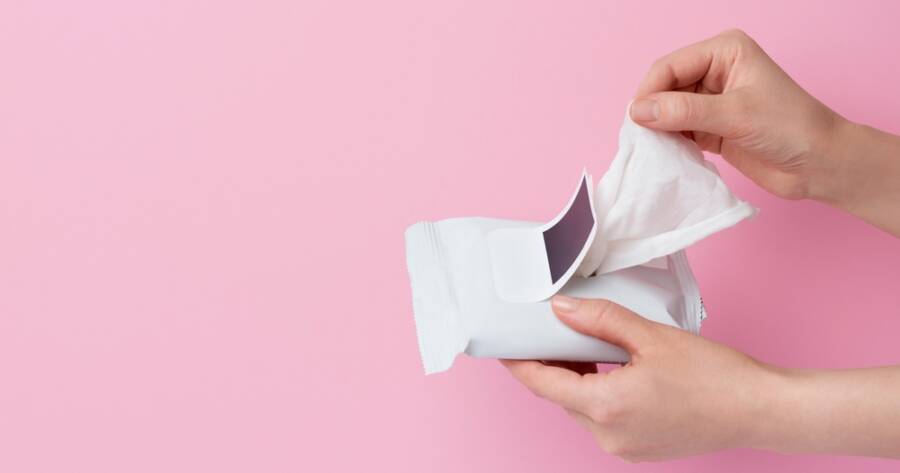
Showering every day is a familiar routine, but it is not always necessary for maintaining good hygiene. Body wipes provide another way to remove perspiration and surface impurities when a full shower is inconvenient or unnecessary. With the right products and techniques, they can become part of a practical daily cleansing routine that supports cleanliness, comfort, and individual skin needs.
Why a Daily Shower Is Not Always Necessary
Many people associate good personal hygiene with showering every day. However, bathing frequency depends on factors such as physical activity, perspiration, occupation, and individual skin characteristics. Someone who spends the day exercising or working in a dusty environment may need more frequent washing than someone with a relatively sedentary routine.
Frequent showering can also affect skin health, particularly when hot water and harsh cleansers are involved. Excessive washing may remove protective oils and contribute to dryness, itching, or irritation. For many people, showering several times per week can be sufficient, provided they maintain appropriate personal hygiene between baths (source).
Choosing Body Wipes for Regular Hygiene
Body wipes come in several varieties, and selecting an appropriate product is important when planning to use them regularly. Full-body bathing wipes are generally larger than ordinary personal cleansing wipes and contain no-rinse solutions designed to remove surface impurities. Smaller wipes may be sufficient for refreshing selected areas but are not necessarily intended for complete body cleansing.
People with sensitive skin should pay particular attention to ingredients. Fragrance-free products may be preferable for those prone to irritation, while heavily scented wipes can introduce unnecessary exposure to potential irritants. Buyers should also check whether the product is approved for facial or intimate-area use, since not every cleansing formula is suitable for every part of the body.
Packaging and cloth size are additional considerations. Resealable containers can help prevent unused wipes from drying out, while larger cloths may make cleaning more convenient. For ongoing use, choosing a product specifically labeled for no-rinse body bathing is generally more appropriate than relying on household cleaning wipes or disinfecting products.
How to Clean Your Body Without Showering
A practical shower-free routine begins by identifying the areas most likely to accumulate perspiration, body oils, or odor. The underarms, groin, feet, and skin folds often deserve particular attention. When necessary, additional wipes can be used to clean the neck, chest, back, arms, and legs.
For more thorough cleansing, use fresh cloths as you move between body areas. Guidance for assisted bathing recommends beginning with cleaner areas and using separate cloths to avoid transferring impurities. No-rinse bathing cloths are generally designed to allow the skin to air-dry afterward, although users should always follow the instructions provided with their particular product (source).
Gentle wiping is preferable to aggressive scrubbing, especially for people with fragile or easily irritated skin. After cleansing, allow the skin to dry as directed before dressing. If discomfort, redness, or persistent irritation develops, discontinue the product and consider an alternative cleansing method.
What Research Says About Waterless Bathing
Waterless bathing has received attention in healthcare settings, where conventional showers and bed baths can be difficult for people with limited mobility. Researchers have investigated whether specially designed disposable cleansing cloths provide comparable results to traditional washing with soap and water.
A systematic review examined six controlled studies comparing waterless bathing with conventional bed baths. The findings suggested advantages for certain outcomes, including skin abnormalities and the completeness of bathing. However, researchers found no consistent superiority across every measure and emphasized that the available high-quality evidence remained limited (source).
These findings support considering specialized no-rinse bathing products as an alternative in appropriate circumstances. Nevertheless, research involving assisted bathing in healthcare facilities cannot establish that every consumer body wipe is equally effective or suitable for indefinite daily use.
When Body Wipes Work Best and When They Fall Short
Body wipes can be particularly useful for older adults with mobility limitations, people recovering from illness, and caregivers assisting someone who cannot safely use a shower. They also offer convenience during camping trips, long journeys, temporary plumbing interruptions, and busy days when ordinary bathing facilities are unavailable.
However, wipes have limitations. Heavy dirt, chemical contamination, and certain occupational exposures may require thorough washing with water and an appropriate cleanser. Regular handwashing also remains important, and ordinary body wipes should not replace medically prescribed skin-cleansing procedures.
Individuals recovering from surgery or managing wounds should follow their healthcare professional’s instructions before cleaning affected areas. Those using wipes frequently should also consider waste disposal, since most disposable body wipes should be placed in the trash rather than flushed.
Making Body Wipes Part of a Balanced Hygiene Routine
Body wipes can provide a convenient alternative to taking a full shower every day, particularly when someone needs targeted cleansing rather than extensive washing. Their usefulness depends on selecting suitable products, cleaning the appropriate areas, and recognizing situations where more thorough bathing is necessary.
For many people, combining occasional showers with regular targeted cleansing may offer a manageable approach to personal hygiene. The goal is not to eliminate traditional bathing, but to maintain cleanliness in a way that accommodates personal needs, daily activities, and skin comfort.