

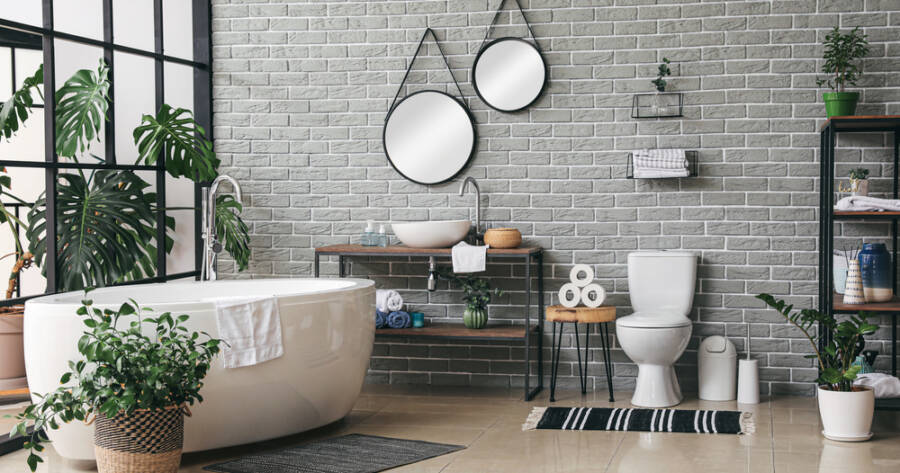
Toilet lid covers were once a bathroom staple, but modern design has left them far behind. Want to make your guests do a double-take? Understanding why once-ubiquitous accessories feel dated, and what to replace them with, can make a real difference in how your bathroom looks and functions.
The Rise and Fall of the Toilet Lid Cover
Fuzzy, carpet-style toilet lid covers became a mainstream bathroom fixture during the 1970s, arriving in textures ranging from shaggy to plush and colors that now read as unmistakably retro (source). At the time, they served a purpose: padding a hard lid, keeping the seat from getting cold, and adding a layer of perceived warmth to a utilitarian space. For a generation of homeowners, they were simply part of what a bathroom was supposed to look like.
That era, however, is long over. Contemporary bathroom design has shifted dramatically toward materials and finishes that prioritize cleanliness, visual clarity, and intentional style. The toilet lid cover, by contrast, communicates something very different, carrying with it a strong association with an outdated era that modern interiors have deliberately moved away from.
Why Toilet Lid Covers Make a Bathroom Look Dated
The aesthetic problem with toilet lid covers goes beyond simple unfashionability. As these covers age with regular use, they begin to look worn regardless of how often they are laundered (source). Fabric that was once bright starts to dull, edges fray, and the overall effect becomes one of neglect rather than comfort. Even a freshly washed cover can struggle to recapture its original appearance after repeated wash cycles.
Interior designers consistently flag this kind of accessory as one of the fastest ways to age a bathroom. The broader issue, as design professionals note, is that overly coordinated, mass-produced selections signal a lack of intentionality in a space. According to designer Ashley Ferguson, “thoughtful selections and custom features are in” when it comes to contemporary bathrooms (source). A fuzzy lid cover sits at the opposite end of that design philosophy.
What Modern Bathroom Design Looks Like Instead
Replacing a toilet lid cover does not require a full renovation. The most effective design upgrades tend to be focused, deliberate choices that bring a sense of texture, material quality, and personality to the space without relying on dated accessories.
Tile has become one of the most expressive tools available to bathroom designers. While plain subway tile once dominated smaller bathrooms, that approach has grown stale. Designer Lindye Galloway points out that the overuse of basic subway tile has made it feel tired compared to options with distinct colors, patterns, and surface textures (source). Homeowners looking to refresh a bathroom without a full remodel can introduce visual interest through patterned floor tile, a bold backsplash behind the vanity, or a feature wall that draws the eye away from purely functional elements.
Rather than adding fabric directly to the toilet, homeowners can introduce softness and color through nearby elements that are easier to clean and more consistent with modern bathroom design. A small washable bath mat, textured hand towels, framed artwork, or a compact storage basket can add warmth without making the toilet itself the decorative focal point. This approach preserves the cozy effect that lid covers were once meant to provide while keeping the area around the toilet simpler, cleaner-looking, and easier to maintain.
Hardware and fixtures offer another avenue for meaningful updates. Swapping out builder-grade chrome for matte black, brushed gold, or warm bronze finishes instantly elevates the overall feel of a bathroom. These small changes build a sense of cohesion without the need for matchy, catalog-style sets that tend to look impersonal.
Practical Alternatives for the Toilet Area Specifically
For those who appreciated the functional side of a lid cover, there are cleaner solutions available. High-quality toilet seats with a comfortable, soft-close hinge mechanism replace both the padded lid and the cover in a single upgrade. Many modern toilet seats are designed with materials that resist staining and are far easier to wipe clean than any fabric accessory.
Keeping the toilet area visually clean and uncluttered is itself a design choice. Streamlined toilet brushes with minimal holders, wall-mounted storage solutions that reduce floor-level clutter, and a carefully chosen piece of art or a small shelf nearby all contribute to a bathroom that feels intentional. Designer Brooke Wilbratte notes that finishes and materials that do not reach ceiling height or lack visual continuity can make even newer bathrooms feel instantly dated (source). Thinking vertically, extending tile or paint treatment upward, helps correct that and draws the eye in a more flattering direction.
Natural materials have also become a strong current trend in bathroom styling. Small accents like a wooden tray on the back of the toilet tank, a stone soap dish, or a woven basket for storage bring organic warmth to the space. These elements accomplish what a fuzzy lid cover once aimed to do, making the room feel inhabited and personal, without sacrificing a modern sensibility.
Why You Should Learn More About Modern Bathroom Design Today
Letting go of toilet lid covers is a small step that reflects a larger shift in how bathrooms are designed and experienced. Modern alternatives prioritize materials that age well, finishes that stay clean, and styling choices that feel personal rather than generic.
Practical lid cover replacements exist that are both more hygienic and more visually appealing, while broader design updates like bolder tile, warmer color palettes, and quality hardware can transform how an entire bathroom feels. Staying informed about current design directions helps homeowners make choices that hold their value over time and create spaces that genuinely feel refreshed rather than frozen in a past decade.