

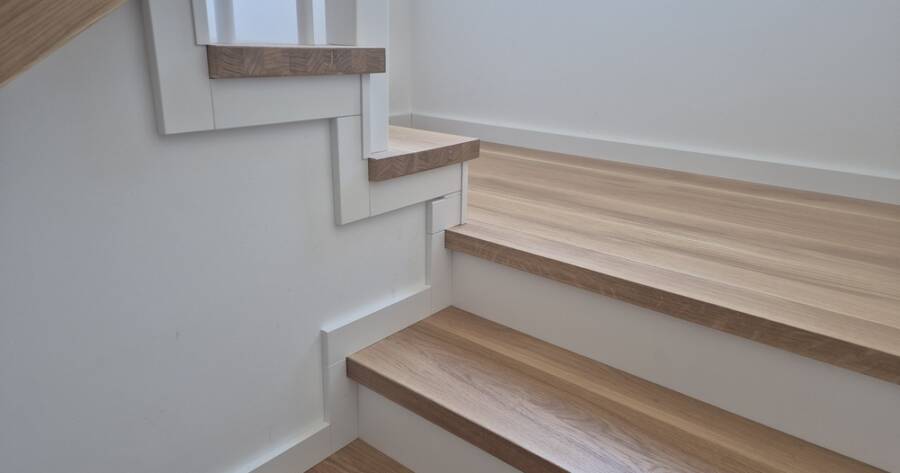
Carpeted stairs have long been a common feature in American homes, but many homeowners are seeking alternatives that offer greater durability, easier maintenance, and modern appeal. From engineered hardwood and luxury vinyl to rubber flooring, tile, and painted finishes, several options provide different ways to update a staircase while balancing appearance, practicality, safety, and long-term performance.
Why Homeowners Are Moving Away From Carpet on Stairs
Carpet has held its place in homes for decades, largely due to its soft underfoot feel and relatively low upfront cost. However, its drawbacks become especially apparent on stairs, where heavy foot traffic accelerates wear, stains accumulate in high-visibility areas, and cleaning becomes a serious challenge. The tightly woven fibers in carpet trap dust, pet hair, dander, and other allergens that are extremely difficult to remove completely, making it a problematic choice for households with allergy sufferers (source). On stairs specifically, where every step concentrates pressure on the same small area, carpet can show significant wear well before its typical replacement window arrives.
Beyond maintenance, resale value plays a strong role in shifting preferences. Hard surface flooring consistently appeals more to prospective buyers and real estate professionals, with homeowners typically recouping a substantial portion of their investment when choosing materials like hardwood over carpet (source). As design trends evolve, many homeowners are treating their staircases as a central design feature rather than an afterthought, and that shift is driving demand for more attractive, long-lasting materials.
Engineered Hardwood: Classic Appeal With Added Stability
Engineered hardwood has emerged as one of the most popular stair flooring choices for homeowners who want the warmth and elegance of real wood without the structural vulnerabilities that come with solid hardwood. Its layered core construction actively resists warping, swelling, and shrinkage, making it better suited than solid wood for areas that experience temperature and humidity fluctuations (source). On stairs, this dimensional stability is particularly valuable since solid wood can shift over time and create squeaks or gaps.
From a design standpoint, engineered hardwood delivers the same rich visual character as solid hardwood, allowing homeowners to achieve a cohesive look that extends from their main living areas down to the staircase. It pairs well with both traditional and contemporary interiors and can be finished in a wide range of stains and textures to match existing floors throughout the home. A properly maintained hardwood floor can last more than 50 years, far outlasting carpet that typically needs full replacement every 10 to 20 years (source).
Luxury Vinyl: The Practical Powerhouse
Luxury vinyl has rapidly gained traction as a stair flooring solution, and for good reason. It combines a realistic appearance with a resilient wear layer that resists dents, scratches, and stains, while also providing a soft cushioning effect that dampens sound and alleviates foot fatigue during repeated use (source). For households with children, pets, or heavy daily foot traffic, these characteristics make luxury vinyl a standout performer on stairs.
One of luxury vinyl’s most compelling advantages is its design flexibility. Available in wood-look planks as wide as 12 inches and as long as 96 inches, it allows homeowners to extend the same flooring material from their main rooms onto the staircase, creating a seamless visual flow throughout the space (source). Luxury vinyl also offers a slight give underfoot that makes it more comfortable for extended standing or walking compared to stone or traditional hardwood (source). When well maintained, luxury vinyl can last up to 25 years, and its often lower price point compared to prefinished hardwood or real stone tile makes it accessible for a wide range of budgets (source).
Rubber Flooring: A High-Performance Option
While rubber flooring may not be the first material that comes to mind for residential staircases, it has earned a dedicated following in homes that prioritize safety and noise reduction. Rubber is highly slip-resistant, making it an especially strong choice for high-use stairs where the risk of slipping is a concern (source). It also absorbs impact noise effectively, cutting down echoes in open stairwells and multi-story homes where sound travels easily between floors.
Modern rubber flooring options have moved well beyond the utilitarian look associated with commercial or gym settings. Today’s products come in a variety of colors, textures, and finishes that can complement contemporary and minimalist home interiors. For households with young children or elderly residents, rubber stairs offer practical peace of mind alongside a clean, modern aesthetic.
Painted Stairs and Tile: Creative Alternatives Worth Considering
For homeowners seeking a budget-conscious transformation, painted stairs offer a surprisingly versatile solution. Paint allows for virtually unlimited color customization, and when combined with non-slip additives, it can create a safer surface than bare wood alone (source). This approach works particularly well in homes with solid wood stairs that are structurally sound but aesthetically dated. It also suits design styles that lean toward bold, artistic expressions rather than conventional wood tones.
Tile and stone are less commonly chosen for residential stairs but make a striking statement when used intentionally. These materials excel in homes with Mediterranean, modern, or Southwestern design influences, and their durability under heavy use is virtually unmatched. The key consideration with tile and stone on stairs is ensuring proper installation with adequate grip surfaces, since smooth finishes can be slippery without the right treatment or textured profiles.
What to Consider Before Replacing Stair Carpet
Choosing the right stair flooring material involves weighing several household-specific factors. Safety is a top priority, particularly for homes with young children, older adults, or pets. Any hard surface chosen for stairs should incorporate textured finishes, non-slip nosing, or surface treatments that prevent slipping. Noise is another consideration, since hard flooring materials can amplify the sound of footsteps in ways carpet naturally suppresses. Materials like luxury vinyl and rubber naturally address this concern through their built-in cushioning and sound-dampening properties.
Durability and long-term maintenance should factor heavily into the decision as well. While carpet carries a lower upfront cost in many cases, the frequency of replacement and the difficulty of deep cleaning on stairs can push total costs higher over time. Hard surface alternatives generally require less intensive upkeep and hold their appearance longer, especially in high-traffic stair environments where carpet shows wear fastest.
Why Stair Nosing and Installation Matter
Replacing carpet with a hard flooring material requires more than selecting an attractive finish. Stair treads, risers, and nosing must work together to create consistent, secure walking surfaces. Luxury vinyl and engineered hardwood often require compatible stair-nosing components, while tile installations may use specialized profiles that help protect exposed edges and improve traction.
The thickness of a new floor covering can also alter the finished height of individual steps, particularly at the top and bottom of a staircase. Homeowners should verify that their renovation meets applicable building codes and manufacturer installation requirements. Professional installation is worth considering when a project involves structural modifications, unfamiliar materials, or specialized stair profiles (source).
Why You Should Learn More About Modern Stair Flooring Options
The shift away from carpeted stairs reflects a broader change in how American homeowners think about design, durability, and long-term value. Engineered hardwood, luxury vinyl, rubber, tile, and even painted finishes each offer distinct advantages depending on a household’s lifestyle, aesthetic goals, and budget.
Understanding the differences between these materials helps homeowners make a confident decision rather than defaulting to carpet out of habit. As stair flooring continues to evolve as a design focal point in the home, exploring the full range of available materials ensures that any renovation investment delivers lasting results in both appearance and performance.