

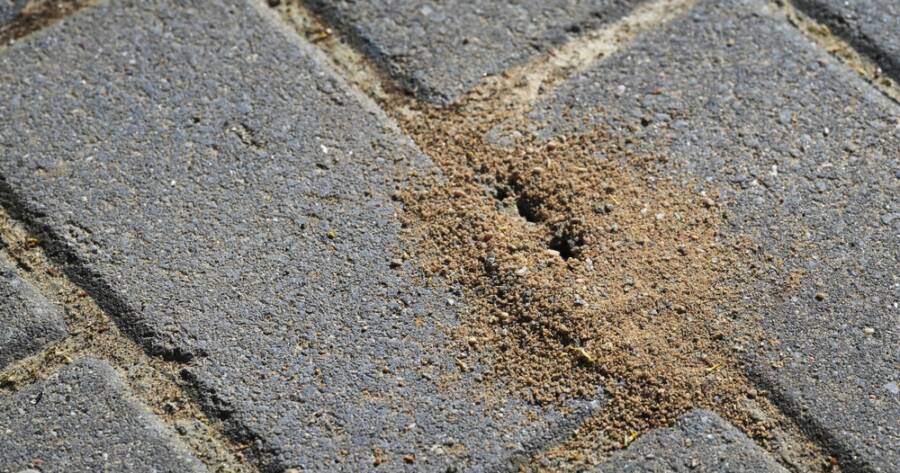
Ants are common in American yards, but large colonies can become frustrating when they invade patios, damage plants, or find their way indoors. Fortunately, several natural and low-toxicity strategies can help reduce unwanted ant activity without widespread pesticide spraying. From removing food sources to installing physical barriers, the most effective approach involves understanding what attracts ants and targeting problem areas efficiently.
Identify Where Ants Are Causing Problems
Before attempting to eliminate ants, determine whether they are actually causing harm. Many species help maintain healthy soil and prey on other insects, making them beneficial members of a yard’s ecosystem. Complete elimination is rarely practical outdoors, so control efforts should focus on areas where ants threaten plants, interfere with outdoor activities, or enter buildings (source).
Follow visible ant trails to identify feeding areas and possible nesting locations. Check beneath stones, around patios, near foundations, and along garden borders. Different ant species respond to different treatments, so understanding their behavior can help homeowners avoid wasting time on ineffective methods.
Remove Outdoor Food Sources
One of the simplest ways to discourage ants is to eliminate easily accessible food. Fallen fruit, uncovered garbage, spilled birdseed, and pet food left outside can attract foraging workers. Cleaning these areas regularly makes a yard less appealing and can reduce repeated activity near patios and entrances.
Garden plants may also provide food indirectly. Aphids, scale insects, and mealybugs produce a sugary substance called honeydew that attracts ants. Managing these insects can reduce ant activity around affected plants and allow beneficial predators to control plant pests more effectively (source).
Inspect leaves and stems for clusters of sap-feeding insects. Removing heavily infested plant parts, when appropriate, and maintaining healthy plants can help address the underlying attraction rather than repeatedly treating ants themselves.
Use Sticky Barriers to Protect Trees
When ants climb trees and shrubs to reach honeydew-producing insects, physical barriers can interrupt their routes. Sticky tree bands prevent crawling ants from reaching branches, helping protect plants without spraying the surrounding garden.
For sensitive trees, the sticky substance should be applied to protective trunk wrapping rather than directly onto the bark. Direct application can injure young, thin-barked, or recently pruned plants. Barriers also require regular inspection because dirt and trapped insects can create pathways for ants to cross (source).
Trimming branches that touch fences, walls, or neighboring plants is equally important. Otherwise, ants may bypass the barrier by following another route into the canopy.
Reduce Moisture and Potential Nesting Areas
Ants frequently establish nests in sheltered locations, including beneath debris, around foundations, and near outdoor structures. Removing unnecessary wood piles, fallen branches, and accumulated leaf litter can reduce suitable nesting opportunities.
Keeping mulch, vegetation, and irrigation moisture away from building foundations also helps discourage ants from gathering near entry points. Trimming shrubs that touch exterior walls removes routes ants may use to enter the home (source).
Homeowners should also repair leaking outdoor faucets and improve drainage where water regularly accumulates. These steps will not eliminate every colony, but they can make troublesome areas less inviting.
Try Vinegar for Temporary Ant Deterrence
White vinegar mixed with an equal amount of water may help interrupt ant trails on suitable hard surfaces. Spraying or wiping affected patio edges, walkways, and other washable areas can temporarily discourage foraging ants from following familiar routes (source).
However, vinegar should not be mistaken for a dependable colony treatment. Its effects are temporary, and ants may establish new pathways once the odor dissipates. Avoid applying vinegar directly to desirable plants or garden soil because its acidity may damage vegetation.
Coffee grounds and cinnamon oil are sometimes recommended as additional natural repellents, but their effectiveness against established outdoor colonies remains uncertain. Concentrated essential oils can also irritate skin or harm pets and plants, making indiscriminate garden applications inadvisable.
Consider Diatomaceous Earth for Localized Problems
Diatomaceous earth is a mineral-based powder that can kill ants when they contact it. Its abrasive, absorbent particles damage the insects’ protective outer layer, leading to dehydration. Unlike conventional chemical sprays, it works through physical contact rather than poisoning the insects (source).
Its usefulness outdoors is limited because moisture reduces effectiveness. Rain, irrigation, and damp soil can make repeated applications necessary.
Even food-grade diatomaceous earth produces fine dust that should not be inhaled. Homeowners should follow product instructions, avoid applying it where children or pets may disturb the powder, and remember that killing individual foragers does not necessarily eliminate their colony.
Use Enclosed Boric Acid Baits for Persistent Colonies
When prevention and physical barriers are insufficient, enclosed boric acid bait stations offer a more targeted approach. Boric acid occurs naturally but is an insecticide, so this method should be considered low-toxicity pest control rather than chemical-free treatment.
Slow-acting bait allows worker ants to carry the active ingredient into their nest and share it with other colony members. Sugar-based borate baits can be effective against certain species, although results depend on the bait formulation and the ants’ feeding preferences (source).
Choose products labeled for outdoor use, follow their instructions, and position enclosed stations away from children, pets, and wildlife. Colony reduction can take days or weeks, and repeated treatment may be necessary.
Keeping Ant Problems Under Control Naturally
Successful outdoor ant management relies on prevention, observation, and targeted action. Removing food sources, reducing sheltered nesting areas, trimming vegetation, and installing protective barriers can discourage troublesome colonies without unnecessary pesticide applications.
Temporary repellents may help in specific locations, while properly used bait stations can address persistent infestations. The goal is not to remove every ant from the yard but to reduce problems where they affect people, plants, and property. With consistent maintenance and an understanding of ant behavior, homeowners can maintain more comfortable outdoor spaces while preserving the benefits ants provide to the surrounding ecosystem.