

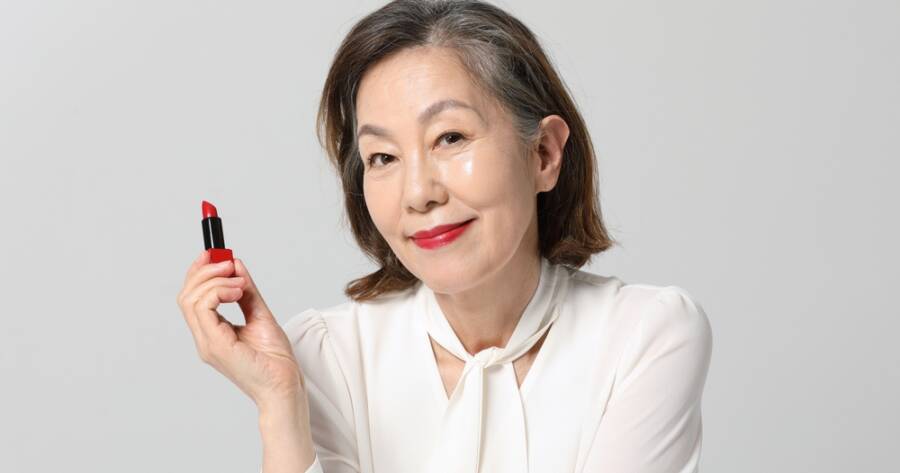
The right lipstick shade can brighten the complexion, define the lips, and create a refreshed appearance at any age. As lips naturally become thinner and drier over time, certain colors and finishes may be especially flattering. Understanding how undertones, color intensity, and moisturizing formulas work together makes finding an attractive, youthful-looking lipstick much easier.
Soft Rose Pink for a Natural, Refreshed Appearance
Soft rose pink is one of the most versatile lipstick shades for older women (source). It adds gentle color and definition without overwhelming the face, making it an appealing choice for everyday wear. Unlike extremely pale pinks, which can sometimes make lips appear less noticeable, a medium-soft rose offers enough pigment to create a healthy-looking contrast against the surrounding skin.
Women with cool undertones may prefer dusty rose or pink shades with a subtle blue base, while those with warmer complexions can experiment with rosy peach. Neutral rose shades work across many complexions, particularly when the color is slightly richer than the lips’ natural pigmentation. These variations are frequently recommended for mature skin because they offer definition without requiring dramatic makeup.
Peachy Nude and Soft Coral for a Brighter Complexion
Peachy nude lipsticks provide a warmer alternative to traditional beige shades. Rather than matching the lips exactly, these colors introduce a touch of peach or pink that helps maintain definition. For women with golden or warm undertones, a peach-based nude can complement the complexion while creating an understated, polished appearance.
Soft coral offers a more noticeable burst of color. Its combination of pink and orange can create an energetic look, particularly on warm and neutral complexions. Fair skin may suit muted peach-coral, while medium and olive complexions can often accommodate richer salmon or terracotta variations. Choosing a creamy formula prevents these colors from appearing flat, allowing the lips to retain a naturally luminous finish.
Berry Rose and Mauve for Elegant Definition
Berry rose offers greater depth than everyday pink without the intensity of a very dark lipstick. Shades combining raspberry, rose, and muted red can provide noticeable definition while remaining suitable for daytime wear. These colors may be particularly appealing to women who find traditional nude lipsticks too subtle but prefer something softer than a bold red.
Mauve is another useful option, especially for cool or neutral undertones. Soft mauve shades combine pink and purple influences, creating a refined appearance that works well with understated eye makeup. Medium complexions may benefit from warmer mauves, while deeper skin tones can explore richer berry and plum variations. These shade families are among those recommended for mature women across different complexions (source).
Classic Red for a Confident, Youthful-Looking Statement
Red lipstick remains an appealing choice regardless of age. Its strong pigment defines the mouth and adds a focal point to the face, making it especially useful when someone wants a more polished or expressive appearance. Rather than avoiding bright colors because of mature skin, women can select reds that complement their natural coloring.
Blue-based reds may flatter cool undertones, while brick reds and warmer cherry shades can complement golden or olive complexions. Neutral reds offer another option for those uncertain about their undertones. For everyday wear, applying red lipstick lightly and blending the edges can create a softer stain. A fuller application delivers a more dramatic finish for special occasions.
Rich Plum and Warm Brown for Deeper Skin Tones
For women with deeper complexions, rich plum, burgundy, chocolate rose, and warm brown shades can provide beautiful definition. These colors offer sufficient depth to remain visible against naturally pigmented lips, while their undertones can enhance different complexions. Plum and wine shades may flatter cooler coloring, whereas reddish brown and warm chocolate tones can complement golden undertones.
The key is choosing enough contrast to define the mouth without making the lips appear visually smaller than desired. A sheer berry-plum or glossy brown may create a softer effect than an opaque, deeply matte formula. Professional recommendations for mature lips often emphasize that deeper shades can work beautifully when paired with comfortable, slightly luminous finishes (source).
Choosing the Right Finish for Mature Lips
Even a flattering shade can appear less attractive when lipstick emphasizes dryness or settles into fine lines. Satin and creamy formulas are useful starting points because they generally glide smoothly and provide a subtle sheen. Moisturizing ingredients such as shea butter, conditioning oils, and hyaluronic acid can also improve comfort and help lips appear smoother (source).
Matte lipstick is not necessarily unsuitable for older women, but highly drying formulas may accentuate texture. Applying a light lip balm beforehand and using a coordinating lip liner can improve definition and reduce feathering. Testing lipstick in natural light also helps determine whether the shade complements the complexion rather than appearing too pale, dark, or disconnected from the skin.
Finding a Lipstick Shade That Refreshes Your Look
The best lipstick shades for older women are not determined by age alone. Soft roses, peachy nudes, corals, berries, mauves, reds, and plums can all create a refreshed appearance when selected with skin tone and personal preferences in mind.
A comfortable formula and flattering finish are just as important as the color itself. By choosing shades that provide definition, complement natural undertones, and feel comfortable throughout the day, women can create a polished, radiant look without following restrictive makeup rules.