

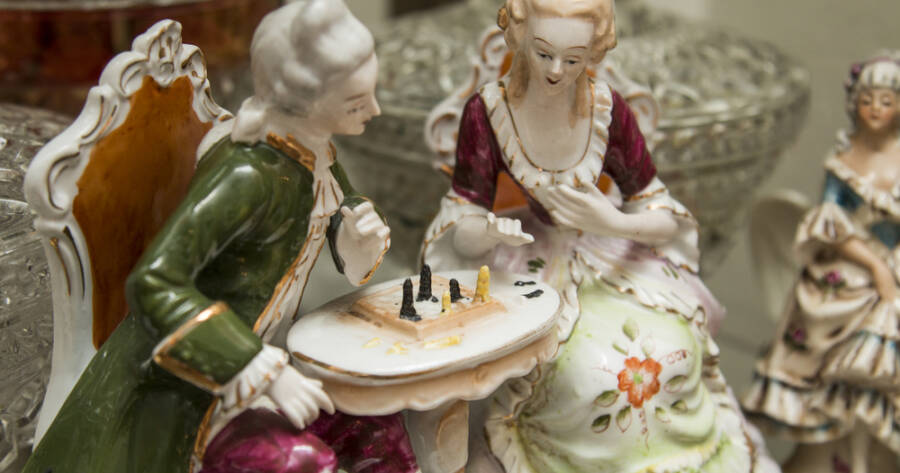
Porcelain figurines can range from inexpensive decorative pieces to rare works that attract serious auction attention. Age alone does not determine value. The maker, model, production period, condition, rarity, marks, and provenance all matter, and small differences can separate an ordinary collectible from an exceptional one. Knowing what to examine first can make an inherited or secondhand piece much easier to evaluate.
Why Porcelain Figurines Vary So Dramatically in Value
Not all porcelain figurines are created equal, and the gap between a piece worth a few dollars and one worth thousands often comes down to a handful of key factors. Manufacturer reputation, age, rarity, condition, and the presence of original markings each play a significant role in determining what a collector or auction house will pay. A single chip or crack on an otherwise exceptional piece may slash its value by 70 percent or more, while a rare figurine kept in mint condition with its original packaging can command forty times the price of the same figure without it (source).
Understanding these variables helps collectors and casual sellers alike approach their pieces with realistic expectations. The brands explored below consistently appear at the top of auction results around the world, and several have produced individual pieces that have fetched six-figure sums.
Meissen: The Gold Standard in Porcelain Collecting
When collectors discuss the most valuable porcelain figurines ever made, Meissen almost always leads the conversation. Founded in Germany in 1710, the manufactory built a reputation for exceptional craftsmanship that has never wavered, and even relatively common examples regularly sell for hundreds of dollars (source). At the higher end of the market, Christie’s has documented multiple special Meissen pieces selling for $200,000 or more.
Auction records make the case clearly. A 1732 Meissen bird sculpture by Johann Jakob Kirchner sold at Christie’s in 2015 for 842,500 British pounds, roughly $1,071,209 at the time, even though it showed signs of restoration (source). More recently, a Meissen group depicting lovers with a birdcage, dating to around 1745, achieved over 171,000 euros at a Bonhams Paris sale in April 2024 (source). These results confirm that age, craftsmanship, and historical significance all compound to produce extraordinary prices for the finest Meissen work.
Royal Nymphenburg and the Upper Tier of European Porcelain
Royal Nymphenburg is another European maker that consistently attracts serious collector interest. Pieces from this manufactory regularly appear on high-end platforms priced at $10,000 or more, and a mid-18th century Nymphenburg lady figurine was estimated by Sotheby’s at between 80,000 and 120,000 British pounds, approximately $122,800 to $184,200 (source). The delicacy and historical pedigree of these pieces place them firmly in the top tier of what the porcelain market has to offer.
Dresden lace figurines occupy a fascinating niche in the upper end of the market as well. The production technique involves coating real lace and tulle in liquid porcelain slip and then firing it. The heat destroys the original fabric entirely, leaving behind an intricate porcelain impression. Because this process produces fragile results, surviving pieces in pristine condition are exceptionally rare and can be worth thousands of dollars (source).
Royal Doulton: HN Numbers, Backstamps, and Hidden Value
Royal Doulton figurines are among the most widely collected in the United States, and their values span an enormous range. Most pieces produced after 1960 sell for $20 to $100, while pre-1960 examples in solid condition generally fetch $100 to $500. The rarest pre-war HN numbers and prototypes, however, can reach anywhere from $2,000 to well above $20,000 (source).
The HN numbering system was named after Harry Nixon, the artist responsible for painting many of the earliest pieces, and lower HN numbers generally point to older production dates (source). Among the most remarkable results on record, HN1 “Darling,” one of the first figurines the company ever produced in 1913, has sold for between $3,000 and $10,000 depending on its condition. A rare Bunnykins design sample reached $44,300 at auction, and a Bunnykins “Celebration Time” prototype tableau sold for 35,500 British pounds at Potteries Auctions in July 2022 (source).
Lladró and Hummel: Popular Brands With Surprising Highs
Lladró figurines from Spain have attracted a loyal global following, and while many standard pieces sell at modest prices, certain limited-edition works push well into five-figure territory. Large limited-edition Lladró groups typically range from $1,500 to $30,000, and a piece titled “The Queen of the Nile” sold for 25,000 euros at a Spanish auction house in January 2019 (source). Limited production runs, discontinued designs, and exceptional sculptural quality all push Lladró prices upward.
Hummel figurines, beloved by generations of American collectors, tell a similar story of surprising extremes. Later production pieces with modern marks typically sell for just $10 to $75, but early examples carrying the TMK-1 or TMK-2 bee marks are a different matter entirely. A Hummel “Signs of Spring” figurine bearing the TMK-2 full bee mark sold for $5,500 at Blackwell Auctions in January 2021 (source). For Hummel collectors, mark identification is everything, and a single difference in the backstamp can represent thousands of dollars.
How to Spot a Valuable Piece
Identifying a potentially valuable porcelain figurine starts with the marks on its base. Manufacturer stamps, country of origin markings, model numbers, and dating codes all narrow down when and where a piece was made. For Royal Doulton, the HN number and backstamp era work together to build a profile of the piece’s age and potential rarity. For Meissen, the famous crossed swords mark has been used since the 18th century, though its exact form changed over time, making close inspection essential.
Condition assessment comes next. Chips, hairline cracks, repairs, and fading all reduce desirability among serious buyers. Conversely, a piece with sharp details, vivid glaze colors, no visible damage, and original documentation or box commands a premium. Consulting a professional appraiser or a reputable auction specialist before selling or insuring a piece is a practical step for anyone who suspects they may be holding something significant.
Why Collectors Should Learn More About Porcelain Figurines Today
The porcelain figurine market rewards knowledge above all else. A piece dismissed as a simple decoration may carry a rare backstamp, an early production mark, or a documented auction history that transforms its perceived worth entirely. Meissen’s centuries-old craftsmanship, Royal Doulton’s intricate HN archive, and Lladró’s limited-edition artistry each represent distinct collecting worlds, all with their own price drivers and hidden gems.
Whether a figurine has been passed down through a family or discovered at an estate sale, understanding what makes certain pieces extraordinary is the first step toward knowing its true value. The porcelain figurine market continues to produce surprising results, and collectors who invest in learning the details of marks, makers, and condition are consistently better positioned to recognize what they have.