

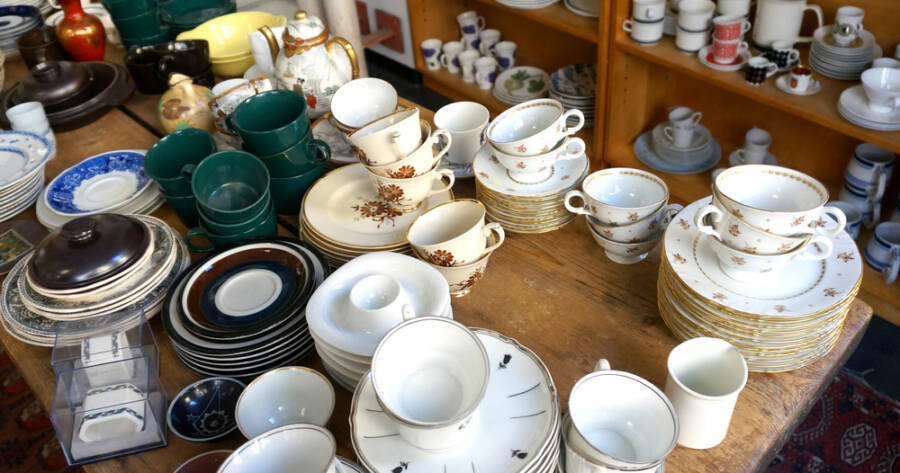
Mid-century dishware has quietly become one of the most exciting areas of the antiques market, with certain 1950s patterns and brands commanding serious attention from collectors across the country. Knowing what to look for can make all the difference.
What Makes Vintage 1950s Dishware Valuable
Not every old dish set earns a second glance from serious collectors, but certain combinations of factors push specific pieces into high demand. According to experts, five elements determine how much a vintage dish set is worth: brand, rarity, pattern, age, and condition (source). Each of these works together — a rare pattern from a prestigious brand in pristine condition will always outperform a common design that shows heavy wear.
The 1950s were a particularly fertile decade for American and European dishware production. Postwar optimism fueled bold design choices, and manufacturers embraced new materials and cultural aesthetics that make these pieces feel unmistakably of their time. That distinct period character is part of what drives collector interest today. Antique dealers confirm that discontinued patterns make a strong statement on a contemporary table, and their scarcity only adds to the appeal (source).
CorningWare and the Space Age Aesthetic
Few brands capture the spirit of the late 1950s quite like CorningWare. The brand launched in 1958 as a pioneering glass-ceramic cookware line, and its early patterns reflected the cultural obsessions of the era (source). The Starburst pattern, produced during the late 1950s into the early 1960s, featured a bold design in blue, black, and platinum that mirrored the nation’s fascination with the Space Race (source). For collectors drawn to mid-century modernism, pieces bearing that striking starburst motif rank among the most desirable finds.
Another CorningWare pattern worth knowing is the Wild Flower design. Increasingly rare to encounter in the wild, Wild Flower pieces have grown more valuable over time precisely because so few surface at antique markets (source). Any collector who spots one in good condition should take a closer look.
Fiestaware’s Most Elusive Color
Fiestaware has long attracted devoted collectors, but not all colors carry equal weight. Among the entire range of hues the brand produced, one stands apart: the Medium Green shade, manufactured only between 1959 and 1969, is considered the hardest color to locate and among the most monetarily significant pieces in the lineup (source). Its limited production window and relative scarcity mean that authentic Medium Green pieces in good shape attract competitive interest from serious Fiestaware enthusiasts.
The broader lesson Fiestaware teaches collectors is that rarity within a well-known brand can be more valuable than obscurity itself. A recognizable name with a hard-to-find variant often draws more collector energy than an entirely unknown manufacturer, simply because the collector community already understands and tracks the variations.
European Heritage Brands Still in High Demand
American-made pieces aren’t the only dishware drawing collector attention. Traditional china patterns from established makers continue to attract collector interest, with brands such as Richard Ginori, Spode, Tiffany, and Wedgwood among the names highlighted for their enduring appeal and resale potential (source). Spode, in particular, has a long legacy of intricate pattern work that translates well to the modern table.
On the more unusual end of the spectrum, trompe l’oeil plates produced by Italian pottery maker Este Ceramiche for Tiffany & Co. during the 1960s, 70s, and 80s have been described by dealers as currently experiencing a major surge in collector interest, with examples able to “fetch a pretty penny” at auction (source). Though the production window extends slightly beyond the 1950s, the roots of this collaboration trace back to that era’s appetite for artistic, hand-crafted table settings.
Specialty Pieces With Historical Ties
Beyond brand names and patterns, some vintage dishware carries a different kind of value rooted in documented history. China produced for specific naval vessels — pieces marked with the name of a particular ship such as “USS ___” — ranks significantly higher in collectibility than standard-issue military dishware, especially when that vessel held historical importance (source). This category appeals to collectors who combine an interest in Americana and military history with a passion for functional antiques.
The principle here extends to other forms of institutional or commemorative dishware from the era. Pieces tied to a specific occasion, location, or organization often carry provenance that generic dishware simply cannot match. For collectors willing to do research, this niche corner of the market rewards patience and historical curiosity in equal measure.
Condition and Authenticity Still Rule
Across every category of vintage 1950s dishware, condition remains a defining factor in value. Chips, cracks, heavy crazing, or faded patterns all reduce what a piece will command from knowledgeable buyers. Collectors are advised to examine pieces carefully before purchasing, paying close attention to the markings on the base of each item, which can help distinguish authentic vintage production from later reproductions.
Brand matters as well, but it must be paired with authenticity. The antique market has seen its share of reproductions, and developing an eye for the real thing takes time and exposure to genuine examples. Handling authentic pieces whenever possible — at reputable antique malls, estate sales, and established dealers — builds the kind of tactile familiarity that helps collectors spot the difference.
Why Collectors Should Learn More About Vintage Dishware
The world of vintage 1950s dishware offers something rare in today’s collecting landscape: pieces that are simultaneously beautiful, historically meaningful, and still discoverable at accessible venues. Whether a collector’s interest runs toward bold American modernism like CorningWare’s Starburst pattern, the elusive Medium Green Fiestaware, or the refined heritage of European china houses, the 1950s produced an extraordinary range of tableware worth pursuing.
Understanding what separates an ordinary thrift find from a genuinely valuable piece comes down to studying the key value drivers — brand, rarity, pattern, age, and condition — and developing a practiced eye over time. As discontinued patterns grow harder to find, the window for building a meaningful collection continues to narrow, making now an ideal moment to deepen knowledge of this compelling area of American antique history.