

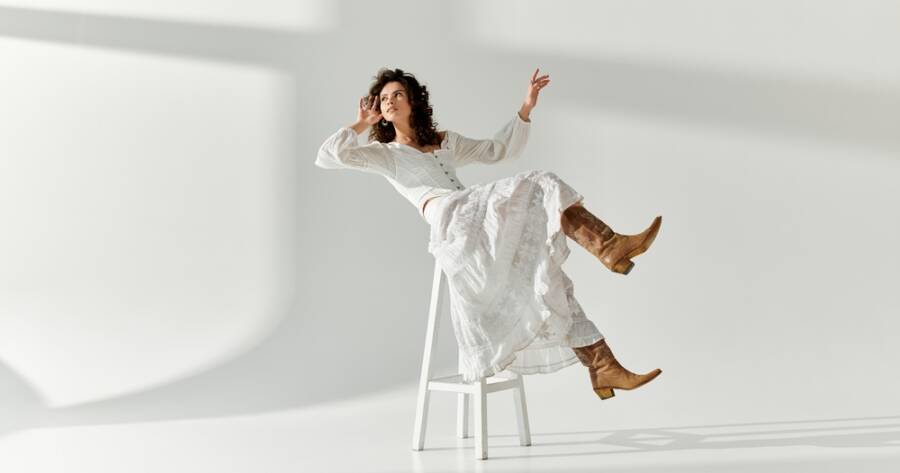
Ankle boots have ruled fall wardrobes for years, but fashion’s attention is starting to wander. Taller shafts, softer shapes, Western influences, and unexpected textures are giving familiar footwear a fresh sense of drama. As 2027 comes into view, a new group of boot silhouettes is making the dependable ankle boot feel a little less essential than it once did.
The Decline of the Classic Ankle Boot
Ankle boots have long served as a wardrobe staple for American women, offering an easy transition between seasons and a versatile canvas for countless outfits. However, fashion forecasters and runway observers are signaling that this reliable standby is losing its edge. Fresher, more refined silhouettes are arriving to fill the gap, offering wearers more dramatic proportions and elevated styling options that the ankle boot simply cannot deliver.
According to trend analysts, flat sock boots are emerging as one of the most direct replacements for the classic ankle boot. These sleek, leather-finished styles carry a more polished and elegant character suited to everyday wear, presenting a minimalist alternative that feels current without leaning into novelty (source). The shift reflects a broader appetite for refinement over the chunky, utilitarian aesthetic that has dominated footwear for several years.
Riding Boots Reclaim the Spotlight
Among the styles stepping up to replace ankle boots, the classic riding boot stands out as a particularly strong contender. Designers across major fashion houses are returning to this equestrian-inspired silhouette with noticeably streamlined proportions and restrained hardware, making the style feel freshly relevant rather than nostalgic. These knee-high iterations pair naturally with slim jeans and leggings, reinforcing their appeal as an effortlessly wearable everyday option (source).
For Fall 2026, Hermès, Proenza Schouler, and Tory Burch all put tall riding-inspired boots on the runway, using clean lines and restrained detailing to blend equestrian references with a slightly tougher, more structured look (source). The understated quality of these styles gives them particular staying power, as they avoid the hyper-trend territory that leads to quick burnout in contemporary fashion.
The Western Shift: Cowboy Boots Without the Kitsch
Modern Western boots are also positioned to take significant market share as ankle boots fade. Unlike their heavily embroidered predecessors, the cowboy-inspired silhouettes gaining traction feature stacked heels and aged leather finishes with a deliberate restraint in ornamentation (source). This pared-back interpretation of Western style trades rhinestone embellishment for an understated patina, making the aesthetic far more versatile across different wardrobe contexts.
The color palette reinforcing this Western revival is equally notable. Chestnut and cognac brown tones have become the dominant hues of the season, moving away from deep chocolate shades toward warmer, lighter iterations that carry a vintage quality. Collections from Gabriela Hearst, Ralph Lauren, and Max Mara each embraced this shift, channeling a boho-inflected sensibility that resonates strongly with American fashion sensibilities (source).
Slouchy Boots Offer a Relaxed Alternative
For those drawn to a less structured silhouette, slouchy boots are rising as a refined successor to the combat boot aesthetic. These lived-in styles, rendered in suede and leather, offer a versatile boot option that transitions easily between dressed-up and casual contexts (source). Slouchy boots also appeared across very different styling directions, from softer tonal looks at Alberta Ferretti to pared-back leather versions from Phoebe Philo and Stella McCartney. That variety gives the silhouette a broader, more polished feel than its older bohemian reputation might suggest (source).
Texture and Craft Take Center Stage
Across all these rising boot categories, surface treatment and material innovation are increasingly central to the design conversation. Croc-embossed finishes appeared on knee-high boots at Gucci, Dolce and Gabbana, and Lanvin, while snakeskin textures surfaced at Isabel Marant and Dries Van Noten, adding visual drama to otherwise classic silhouettes (source).
Looking further ahead, industry forecasters anticipate that Autumn/Winter 2027 collections will deepen this investment in material craft. Autumn/Winter 2027/28 footwear forecasts point toward more flexible materials, textured jacquards, and close-fitting constructions designed to follow the shape of the foot while still delivering a strong visual statement (source). The broader forecast also points to a renewed interest in vintage design codes, with references drawn from the 1970s and 1990s translated into contemporary forms through micro-heels, hybrid materials, and intentionally imperfect finishes (source).
Trendstop contributor Lamia Molato summarized the overarching creative direction by noting that “one of the keys to this season will be connecting the past with the future, transforming vintage codes into contemporary designs” (source). That philosophy shapes not just individual styles but the entire trajectory of where boot design is heading through 2027 and beyond.
Why You Should Learn More About Boot Styles Today
The transition away from classic ankle boots represents a meaningful evolution in how American women approach footwear, not just a seasonal swing. Riding boots, Western silhouettes, slouchy styles, and texture-forward designs are each earning runway validation and real-world momentum simultaneously.
Understanding which styles are gaining traction and why helps fashion-conscious individuals make smarter, longer-lasting wardrobe investments. As designers draw on nostalgia, material innovation, and refined proportions to reshape the boot category, staying informed about these shifts ensures personal style remains current and considered rather than reactive. The 2027 footwear landscape is already forming, and the boots rising to prominence now offer both aesthetic versatility and enduring appeal that the classic ankle boot increasingly struggles to match.