

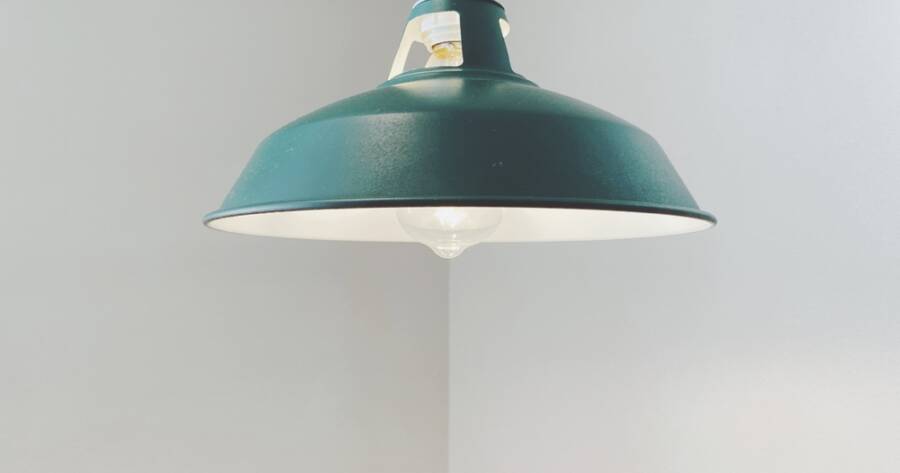
Vintage lamps from the 1960s can be valuable collectibles, but not every mid-century design commands a high price. Factors such as manufacturer, designer, original components, condition, and rarity play an important role in determining value. Understanding those details, along with documented auction prices, can help collectors identify worthwhile finds and avoid overpaying for ordinary vintage lighting.
Why 1960s Lamps Have Caught Collectors’ Attention
Mid-century modern design has experienced a strong resurgence in collector interest, and lamps from the 1960s sit squarely at the heart of that movement. Pieces from this decade often blend bold sculptural forms with quality materials, making them visually distinctive and historically significant. As more collectors discover that originality and scarcity drive pricing, 1960s lamps have moved from garage sale afterthoughts to sought-after acquisitions.
The appeal is not purely aesthetic. Many lamps from this era were produced in limited runs by manufacturers with strong reputations, and those production details matter enormously when assessing value. A lamp that entered the market as a design statement rather than a mass-market commodity is far more likely to attract competitive bidding at auction or attract serious private buyers.
Maker Marks and Brand Names That Drive Value
Among the most important factors any collector considers is who made a lamp. For pieces from the 1960s specifically, names like Stiffel, Laurel, and Lightolier appear frequently on collector wish lists (source). These labels are often found stamped on the socket housing or affixed to the underside of the base, and locating them is a critical first step when evaluating any potential purchase.
Earlier in American lamp history, studios like Tiffany, Pairpoint, Handel, and Bradley and Hubbard set the standard for prestige collectibles (source). While those names predate the 1960s, understanding their legacy helps collectors recognize why attribution and maker identity carry so much weight across all eras. A confirmed brand name transforms a lamp from an anonymous object into a verifiable piece of design history.
When no maker label survives, collectors often turn to period catalogs, auction archives, and specialist appraisers to confirm attribution. Even a strong stylistic match to a known manufacturer’s documented output can meaningfully influence what a buyer is willing to pay.
Valuable 1960s Lamps and Their Auction Prices
Actual auction results provide useful benchmarks for collectors interested in 1960s lighting. In August 2024, a Gerald Thurston Lumilon table lamp manufactured by Lightolier during the 1960s sold for $375, exceeding its $150–$250 estimate (source). At the same auction, a circa-1960s Lytespan adjustable tension-pole lamp, also designed by Thurston for Lightolier, achieved $900 against an estimate of $200–$300 (source).
These documented sales demonstrate how specific designs can attract different prices, even when they share a manufacturer and designer. Collectors should compare completed auction results for similar models, paying attention to original components, condition, and maker markings. These prices represent individual sales, not guaranteed current values, and exclude any additional buyer’s premiums.
The Role of Originality in Determining Price
Collectors consistently place a premium on lamps where the shade and base were produced together and have remained together ever since. A pairing where the components were matched after the fact, sometimes called a “married” combination, is worth considerably less than a factory-original set (source). This distinction can be the difference between a modest price and a standout sale.
Shade condition is particularly critical. Authentic vintage shades, whether made from stained glass, hand-painted fabric, or original silk, are highly prized by serious collectors (source). Replacing a damaged shade with a reproduction or a mismatched period piece cuts value substantially. Anyone considering buying or selling a 1960s lamp should carefully inspect whether the shade is original to the base before making any assumptions about pricing.
The same logic applies to any cracked panels, repainted surfaces, or rewired sockets. Even minor alterations that seem purely functional can signal to knowledgeable buyers that the piece has been compromised, and that perception directly affects what they are willing to offer (source).
Understanding Provenance and Documentation
A lamp with a documented history commands more attention than one that arrives without any supporting records. Prior auction results, original purchase receipts, manufacturer correspondence, or even a well-documented chain of private ownership all add credibility to a lamp’s story (source). Collectors pay for assurances, and provenance is one of the most reliable ways to provide it.
For 1960s lamps specifically, provenance can sometimes be traced through estate sales, period interior design publications, or archived commercial invoices from the original decade. Even photographs from the era showing a lamp in its original setting can strengthen its narrative and support a higher asking price.
Spotting Reproductions and Misrepresented Pieces
The vintage lamp market includes a significant number of pieces marketed as more valuable than they actually are. Reproduction leaded lamps, ceramic lamps from the 1970s, and hurricane-style lamps designed to evoke earlier periods typically sell at modest prices regardless of how they are described in a listing (source). Recognizing these distinctions protects buyers from overpaying and helps sellers price their pieces accurately.
Key red flags include vague attribution, missing maker marks, shades that show no genuine signs of period aging, and bases with materials or construction methods inconsistent with 1960s manufacturing standards. Cross-referencing a lamp against documented examples from the same maker, period, and production line is among the most reliable ways to verify what a piece actually is before money changes hands.
Why Collectors Should Learn More About Vintage 1960s Lamps
The 1960s lamp market rewards those who invest time in understanding what genuinely distinguishes a valuable piece from a decorative imitation. Maker identity, original components, honest condition, and supporting documentation each play a measurable role in determining what a lamp is actually worth.
Mid-century modern pieces with authentic period shades and confirmed production origins continue to attract premium pricing as scarcity increases (source). Whether someone is building a collection, appraising an estate, or simply curious about a lamp that has been in a family for decades, the fundamentals of maker attribution, originality, and provenance remain the most dependable foundation for evaluating value with confidence.